
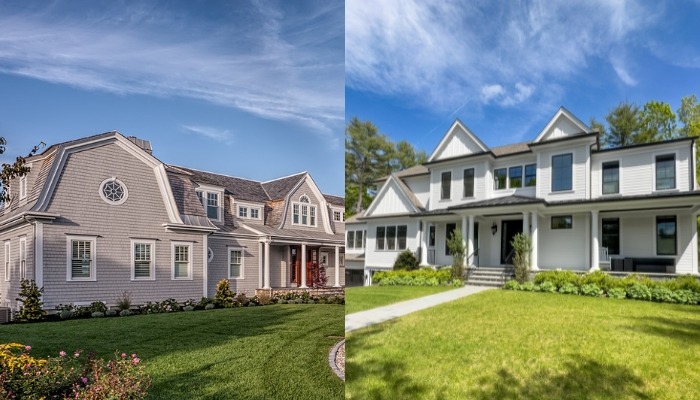
Cedar VS Composite Siding – Which Is Best for Your Home
Choosing the right siding has a major impact on your home’s durability, maintenance needs, and curb appeal.
Cedar siding is a natural wood material known for its rich warmth and timeless beauty, while composite siding is an engineered material built to mimic wood with greater strength and lower maintenance.
Homeowners often compare the two when deciding between classic aesthetics and long-term performance.
In this article, we’ll break down how cedar and composite siding differ in cost, durability, upkeep, and overall value so you can choose the best fit for your home.
Table of Contents
- What Are Cedar and Composite Siding?
- Cedar vs Composite Siding (Pros, Cons, When to Pick)
- Advantages of Cedar Siding
- Drawbacks of Cedar Siding
- Advantages of Composite Siding
- Drawbacks of Composite Siding
- Cost Comparison
- Durability & Maintenance Comparison
- Aesthetic Comparison
- Environmental Impact & Sustainability
- Climate Considerations
- Overall Comparison
- FAQs
- Conclusion
What Are Cedar and Composite Siding?
Cedar siding is a natural wood siding made from real cedar boards, shakes, or shingles.
Homeowners choose it for its warm, authentic appearance, natural grain patterns, and the timeless character it adds to a home’s exterior. Because it’s real wood, it offers strong insulation value and can be stained or painted to match a wide range of architectural styles.
Composite siding, on the other hand, is a man-made material engineered for durability and long-term performance.
It’s often made from fiber cement, wood-plastic blends, or other advanced composites designed to resist rot, insects, moisture, and fading. Composite siding is manufactured to replicate the look of wood siding while offering lower maintenance and greater overall resilience, making it a popular modern alternative to traditional wood.
Cedar vs Composite Siding (Pros, Cons, When to Pick)
Cedar siding
Advantages
- Real-wood warmth, unique grain, high-end curb appeal
- Good natural insulation and sound dampening
- Can be stained, painted, or left to weather (very flexible look)
- Naturally resists decay and pests better than many other woods
Disadvantages
- Ongoing upkeep: staining/sealing/painting about every 3–5 years
- If maintenance slips, moisture can lead to rot, mold, warping, or cracking
- More fire risk unless treated
- Lifetime cost can climb because of refinishing and repairs
Pick cedar when: you want the authentic wood look and you’re comfortable with regular upkeep, best in milder/drier climates or where the siding is well-protected by roof overhangs.
Composite siding
Advantages
- Low upkeep (usually just occasional washing)
- Built to handle moisture, sun, and temperature swings with less warping/rot
- Strong resistance to insects; often better fire performance than wood
- Long service life (often 30–50+ years) with steady appearance
- Often cheaper over the long run due to minimal maintenance
Disadvantages
- Higher upfront price (material and/or labor)
- Doesn’t have the same “real wood” depth and variation as cedar
- Some types are heavy and need skilled installation
- Fewer refinishing options on certain products; installation mistakes can cause problems
Pick composite when: you want a “set it and forget it” exterior, especially in wet, coastal, stormy, or freeze–thaw climates, or if you don’t want to budget time/money for frequent refinishing.
Advantages of Cedar Siding
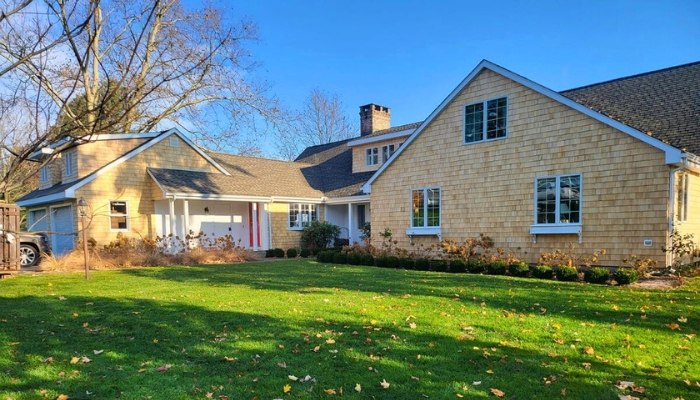
Cedar siding is one of the most visually striking exterior siding materials available. Its warm tones, natural grain, and handcrafted character give homes a level of charm and authenticity that manufactured materials often struggle to match. Beyond its beauty, cedar offers several functional benefits that make it a strong contender for homeowners who value both style and performance.
Key Advantages of Cedar Siding
- Timeless, natural beauty: Cedar provides rich color and organic grain patterns that elevate a home’s curb appeal and complement a wide range of architectural styles.
- Excellent insulation: As a natural wood product, cedar offers strong thermal insulation and can help regulate indoor temperatures while reducing outside noise.
- Naturally resistant to rot and insects: Cedar contains natural oils that help protect it from decay and pests more effectively than many other wood species.
- Highly customizable: It can be stained, painted, or left to weather naturally, giving homeowners flexibility in achieving the exact look they want.
- Wide variety of styles: Available as shakes, shingles, tongue-and-groove, and beveled boards, cedar can suit everything from rustic cottages to modern homes.
Drawbacks of Cedar Siding
While cedar siding offers undeniable beauty and craftsmanship, it also comes with maintenance and long-term considerations that homeowners should be aware of. Because it’s a natural material, cedar requires consistent care to stay protected from the elements and maintain its appearance.
Key Drawbacks of Cedar Siding
- Higher maintenance requirements: Cedar needs periodic staining, sealing, or painting, typically every 3–5 years, to prevent weathering, fading, and moisture damage.
- Susceptible to rot and moisture if neglected: Without proper upkeep, cedar can absorb moisture, leading to decay, mold, and warping over time.
- Greater long-term costs: While installation may be affordable in some cases, the ongoing maintenance costs can add up significantly over the life of the siding.
- Lower fire resistance: Natural wood is flammable unless treated with fire-resistant coatings, which adds time and cost.
- Can be affected by insects: Although cedar naturally resists pests better than many woods, termites and carpenter ants can still cause damage if conditions are favorable.
Advantages of Composite Siding
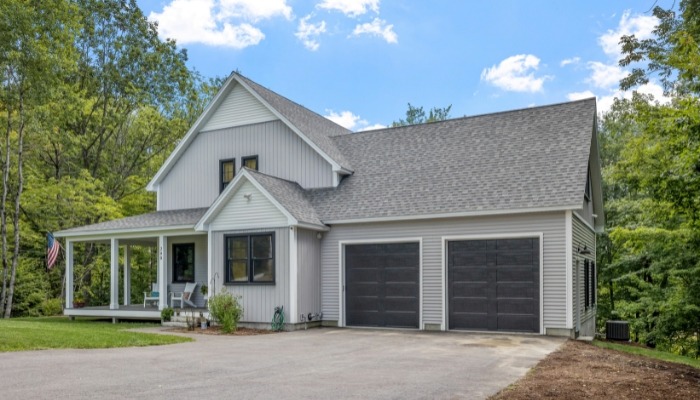
Composite siding has become a popular choice for homeowners who want the look of wood without the upkeep. Engineered with durability in mind, composite materials are designed to withstand harsh weather, resist moisture, and maintain their appearance with minimal effort. This makes composite a practical, long-lasting option for many homes.
Key Advantages of Composite Siding
- Low maintenance: Unlike natural wood, composite siding doesn’t require frequent staining or sealing. Most products simply need occasional cleaning to stay looking new.
- Highly durable and weather resistant: Composite materials are engineered to resist warping, cracking, swelling, and rotting—making them ideal for areas with heavy rain, humidity, or temperature swings.
- Enhanced pest and fire resistance: Composite siding is typically unaffected by termites, carpenter ants, or woodpeckers, and many products offer improved fire resistance compared to wood siding.
- Long lifespan: With proper installation, composite siding can last for decades while maintaining its structural integrity and appearance.
- Consistent, wood-like appearance: Many composite products are designed with realistic grain patterns, offering the aesthetic appeal of wood without the upkeep.
- Excellent overall value: While the upfront cost can vary, the reduced maintenance and long-term durability often lead to a lower lifetime cost compared to traditional wood siding.
Drawbacks of Composite Siding
Composite siding offers impressive durability and low maintenance, but like any material, it isn’t perfect. Homeowners should understand its limitations to make an informed comparison between composite and natural cedar.
Key Drawbacks of Composite Siding
- Less authentic than real wood: Even with advanced texturing, composite siding may lack the warmth, depth, and unique grain variations of true cedar.
- Higher upfront installation cost: Depending on the product, composite siding can be more expensive to purchase and install than traditional wood or vinyl options.
- Heavier material: Some composite types, especially fiber cement, are heavier and require skilled installation, which can increase labor costs.
- Potential for cracking or moisture issues if improperly installed: While the material itself is moisture-resistant, incorrect installation can lead to gaps, swelling, or premature wear.
- Limited refinishing options: Certain composite products cannot be refinished or restained the way natural wood can, reducing flexibility in future color changes.
Free Guide for Homeowners
2026 SIDING MATERIAL GUIDE
Learn how smart homeowners balance aesthetics, durability, and budget to choose the perfect exterior shield that withstands New England’s toughest weather.
Cost Comparison: Cedar vs Composite Siding
Cost plays a major role when choosing between cedar and composite siding. While both materials offer long-term value, they differ significantly in upfront pricing and ongoing maintenance expenses.
Cedar Siding Costs
- Material cost: Generally higher than standard siding due to the price of natural wood.
- Installation cost: Skilled carpentry increases labor expenses.
- Maintenance cost: Recurring costs for staining, sealing, or painting every few years can substantially raise the lifetime investment.
- Long-term value: Beautiful appearance and curb appeal, but higher upkeep costs over time.
Composite Siding Costs
- Material cost: Can range from moderate to high depending on the brand and style.
- Installation cost: May require specialized installers, especially for fiber cement, which adds labor cost.
- Maintenance cost: Very low, typically limited to cleaning and occasional repainting depending on the product.
- Long-term value: Often more cost-effective over decades due to reduced upkeep and excellent durability.
Which Is More Affordable Overall?
Cedar may have a higher long-term cost because of ongoing maintenance and refinishing, while composite siding tends to offer a better cost-to-lifespan ratio. Homeowners who want a low-maintenance, long-term siding solution typically find composite to be the more economical choice.
Durability & Maintenance Comparison
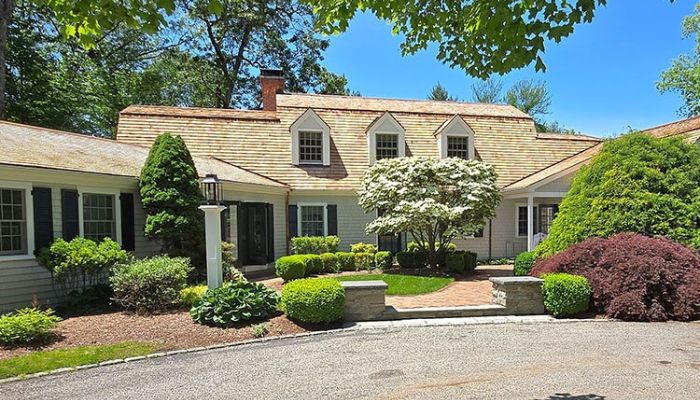
When comparing cedar vs composite siding, durability and maintenance are often the deciding factors for homeowners. Each material performs differently depending on climate, exposure, and how much upkeep you’re willing to take on.
Durability of Cedar Siding
- Naturally resilient but not indestructible, Cedar contains natural oils that resist insects and decay, but it’s still vulnerable to moisture and weathering over time.
- Can warp or crack if exposed to harsh conditions Extreme heat, humidity, or prolonged moisture can cause boards to expand or cup.
- Fire risk without treatment Cedar is flammable unless treated with fire-resistant coatings.
- Lifespan depends heavily on care Well-maintained cedar can last decades; neglected cedar deteriorates much faster.
Durability of Composite Siding
- Engineered for strength, Composite siding resists warping, cracking, swelling, and rot, even in tough climates.
- Moisture and pest resistant. Unlike natural wood, composite materials are not affected by termites, carpenter ants, or fungal decay.
- Stands up to harsh weather Performs well in heavy rain, high winds, freeze-thaw cycles, and intense sun.
- Consistent longevity Composite siding often lasts 30–50+ years with minimal performance loss.
Maintenance Requirements
Cedar Siding
- Requires staining, sealing, or painting every 3–5 years
- Needs routine inspections for rot, pests, and moisture
- Must be cleaned to prevent mold or mildew buildup
Composite Siding
- Occasional washing is typically all that’s needed
- No regular sealing or painting required (unless you choose to repaint)
- Maintains appearance with minimal effort
Which Is Easier to Maintain?
Composite siding is the clear winner. For homeowners who want long-term performance with little maintenance, composite offers a significantly lower commitment compared to cedar.
Aesthetic Comparison – Style, Texture & Curb Appeal
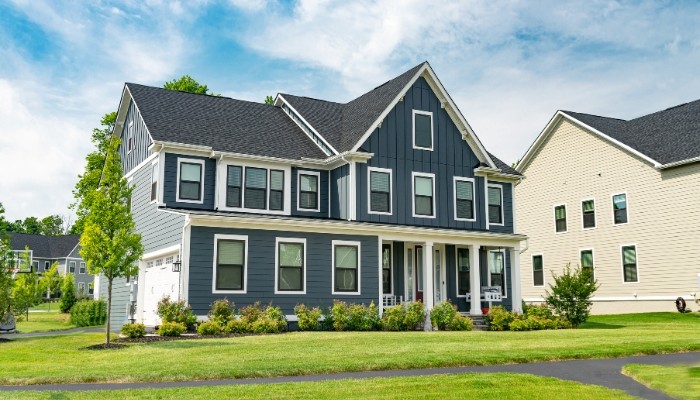
Curb appeal is often the biggest reason homeowners weigh cedar against composite siding. Both materials can dramatically enhance a home’s appearance, but they do so in different ways.
Cedar Siding Aesthetics
- Authentic natural beauty with rich wood grain and warm tones
- Unique variation, no two boards look alike
- Highly customizable with stains, paints, and finishes
- Elevates architectural charm, especially on traditional, craftsman, and cottage-style homes
- Ages gracefully if properly maintained, or develops a natural silvery patina if left untreated
Composite Siding Aesthetics
- Designed to mimic wood with consistent, realistic grain patterns
- Wide range of colors and styles, from modern panels to traditional lap siding
- Color tends to last longer with less fading
- Smoother, more uniform appearance compared to natural cedar
- Great for modern, transitional, and mixed-material exteriors
Which Looks Better?
If you prefer true wood warmth and handcrafted charm, cedar wins. If you want a clean, consistent, long-lasting finish, composite is the better fit.
Environmental Impact & Sustainability
For many homeowners, sustainability matters, and both materials offer unique environmental benefits.
Cedar Siding
- Renewable resource when harvested responsibly
- Biodegradable and natural
- Lower carbon footprint during manufacturing
- Long-term sustainability depends on maintenance and replacement frequency
Composite Siding
- Often includes recycled materials (varies by manufacturer)
- Very long lifespan, reducing replacement waste
- Requires more energy to manufacture than wood
- Not biodegradable, but some products are recyclable
Which Is More Eco-Friendly?
Cedar is more natural and environmentally friendly upfront, while composite can be more sustainable long-term due to its extended lifespan and low maintenance needs.
Climate Considerations – Which Performs Better in Your Region?
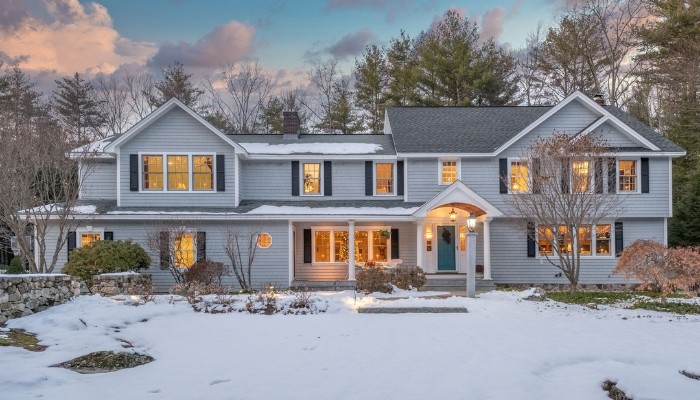
Your local climate plays a major role in siding performance, especially in areas with harsh seasonal changes.
Cedar Siding in Various Climates
- Performs well in dry or mild climates
- More vulnerable in high-moisture or coastal environments
- Requires diligent maintenance in freeze-thaw climates
- Sun exposure may cause fading without protective coatings
Composite Siding in Various Climates
- Excellent moisture resistance, ideal for humid or rainy regions
- Strong performance in high-wind or storm-prone areas
- Handles freeze-thaw cycles with minimal expansion or damage
- Resistant to warping under high heat
Climate Winner
Composite siding is better suited for extreme or unpredictable climates, while cedar is ideal for homeowners in stable or dry regions who are committed to regular upkeep.
Overall Comparison – Which Siding Should You Choose?
To summarize, here’s how cedar and composite siding stack up across key categories:
| Category | Cedar Siding | Composite Siding |
| Appearance | Warm, natural, premium | Consistent, wood-like |
| Maintenance | High | Low |
| Durability | Moderate | High |
| Cost Over Time | Higher | Lower |
| Climate Performance | Good with upkeep | Excellent |
| Fire/Pest Resistance | Lower | Higher |
| Customization | Very customizable | Moderate |
FAQs
Composite siding can have a higher upfront cost, and some products may look less authentic than real wood. It also requires professional installation due to its weight, and if installed poorly, it can crack or trap moisture over time.
Cedar siding requires frequent maintenance, including staining or sealing every few years. It’s also more vulnerable to moisture, insects, and fire if not properly treated, which can increase long-term costs.
Composite siding is generally better for homeowners looking for durability, low maintenance, and long-term value. However, wood, especially cedar, offers natural beauty and a premium, authentic look that composite can’t fully replicate.
Upfront, cedar decking is usually cheaper than composite. However, cedar requires ongoing maintenance, while composite decking has a higher initial cost but much lower long-term upkeep, often making composite more cost-effective over its lifespan.
Free Guide for Homeowners
2026 SIDING MATERIAL GUIDE
Learn how smart homeowners balance aesthetics, durability, and budget to choose the perfect exterior shield that withstands New England’s toughest weather.
Conclusion
Choosing between cedar and composite siding ultimately depends on what matters most to you, natural beauty or long-term durability.
Choose cedar siding if your priority is natural beauty and craftsmanship. Choose composite siding if your priority is durability, low maintenance, and long-term value.
If you’re unsure which siding option is right for your home, K.P. LaMarco Construction is here to help. Our team can evaluate your home, explain your options, and provide a free quote within 24 hours so you can make a confident decision. Ready to get started? Contact K.P. LaMarco Construction today.