
New Siding Cost – What Homeowners Need to Know
Thinking about upgrading your home’s exterior?
Wondering how much does new siding cost in Connecticut?
Prices can vary based on many factors, but we’ll help you get a close approximation of the costs. Many homeowners begin by asking how much does siding cost in Connecticut before planning a project, and understanding the typical price range can make budgeting much easier.
If you are planning to replace your siding in Connecticut, most full projects fall into a broad range of about $16,500 to $41,250, depending on the material, home size, number of stories, and the amount of trim or repair work involved.
In general, this siding replacement cost range reflects the wide variety of home sizes and siding materials used throughout the state.
Here’s a list of the top siding cost topics and factors covered in the article:
- Connecticut New Siding Cost at a Glance
- Siding Cost by Material in Connecticut
- What Drives New Siding Cost?
- What’s Included in a Siding Replacement Quote?
- Hidden & Variable Costs Homeowners Often Miss
- Permit Notes for Connecticut Homeowners
- Conclusion
Free Guide for Homeowners
2026 SIDING MATERIAL GUIDE
Learn how smart homeowners balance aesthetics, durability, and budget to choose the perfect exterior shield that withstands New England’s toughest weather.
Connecticut New Siding Cost at a Glance
| Siding Type / Pricing View | Published Connecticut Pricing |
| Typical full siding replacement | $16,500 to $41,250 |
| Vinyl siding installation | $3.92 to $5.65 / sq ft |
| Fiber cement siding installation | $5.43 to $6.48 / sq ft |
| Wood clapboard installation | $6.14 to $7.24 / sq ft |
| Aluminum siding installation | $6.03 to $7.66 / sq ft |
| Steel siding installation | $6.09 to $7.54 / sq ft |
These figures are best used as planning ranges. Your final price will depend on the exact home, material, access, and scope of work.
Looking for a more accurate price for your home? Get a free siding estimate based on your home’s size, number of stories, siding material, and trim details.
Siding Cost by Material in Connecticut
Vinyl Siding
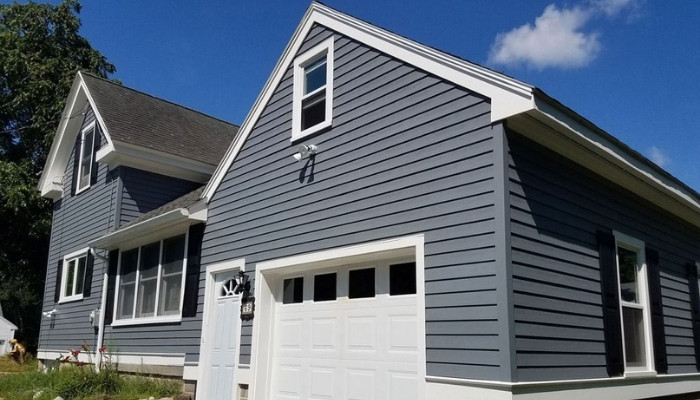
Vinyl is often the most affordable siding option for Connecticut homeowners. It is a common choice because it offers a lower starting cost, a wide range of colors and profiles, and relatively low maintenance.
Published Connecticut figures place vinyl siding installation at $3.92 to $5.65 per square foot, which aligns closely with the typical vinyl siding cost in Connecticut reported across many residential projects.
Full replacement projects can still vary depending on the home size and scope of work.
Fiber Cement Siding
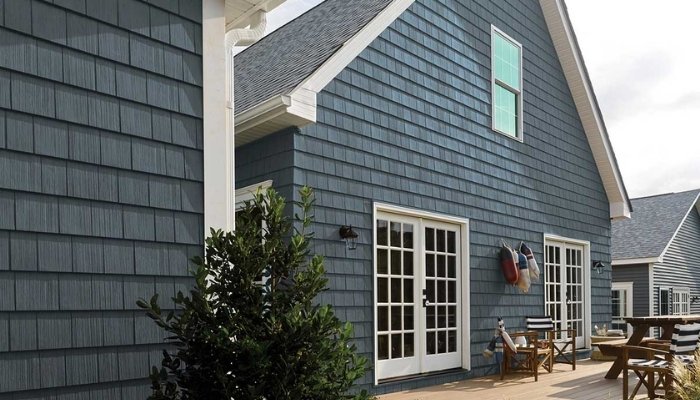
Fiber cement usually costs more than vinyl because the material is heavier and the installation is more labor-intensive. It is often chosen by homeowners who want a more premium appearance and stronger long-term durability.
Connecticut pricing reports list fiber cement installation at $5.43 to $6.48 per square foot, which reflects the typical fiber cement siding cost in Connecticut for professionally installed projects.
Engineered Wood Siding
Engineered wood can be a strong option for homeowners who want a wood-like look without choosing traditional wood siding.
Pricing varies by product and project scope, but published Connecticut full-project figures place engineered wood in a higher price band than vinyl and fiber cement.
Wood Clapboard
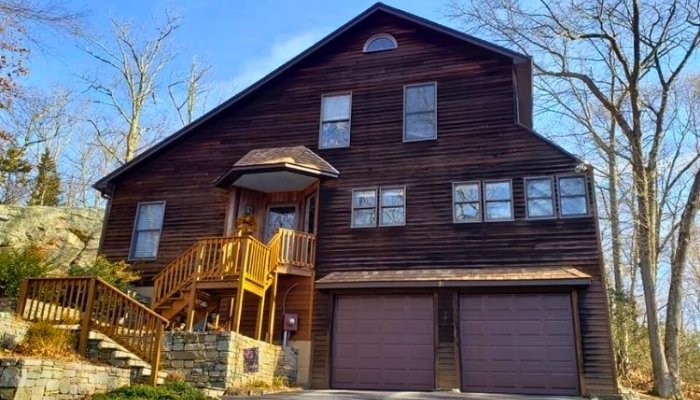
For homeowners who want a more traditional New England look, wood clapboard remains an option. Connecticut pricing figures list wood siding installation at $6.14 to $7.24 per square foot for pine, spruce, or fir clapboard.
Wood can offer classic curb appeal, but it usually comes with more upkeep over time than vinyl or fiber cement.
Aluminum and Steel Siding
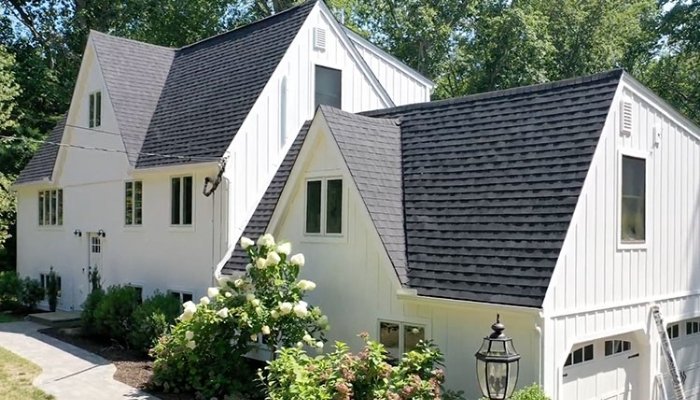
Metal siding is another option for homeowners comparing durability, maintenance, and appearance. Connecticut pricing figures list aluminum siding at $6.03 to $7.66 per square foot and steel siding at $6.09 to $7.54 per square foot.
What Drives New Siding Cost?
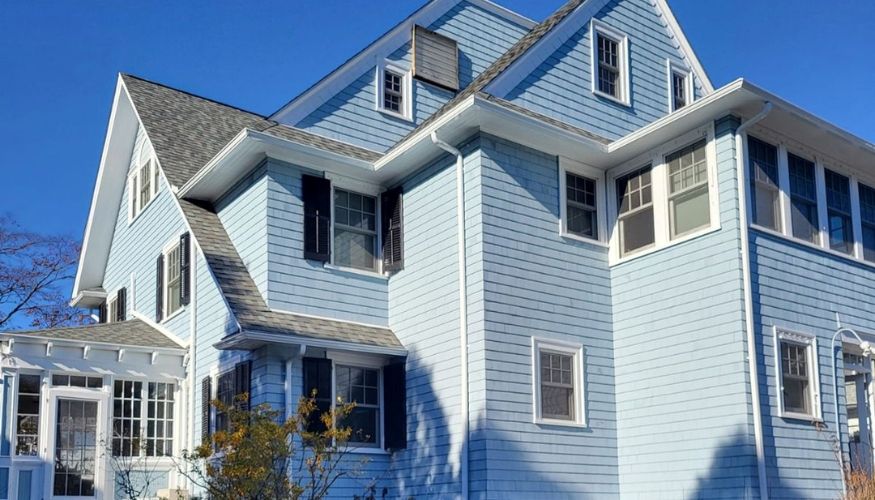
When homeowners ask, “How much does it cost for new siding?”, the answer varies based on several key factors. Understanding these elements can help you anticipate your siding installation cost more accurately and plan your budget effectively.
1. Home Size and Shape:
The square footage of your home and its architectural complexity play a major role. Larger homes or those with intricate layouts (e.g., turrets, gables, or multiple stories) require more materials and labor, increasing the overall cost.
2. Tear-Off and Disposal Fees:
If your old siding needs to be removed, expect additional charges for tear-off and disposal. These costs vary depending on the condition and material of the existing siding, but they’re often necessary to ensure a clean and secure installation.
3. Regional Labor Costs:
Labor cost fluctuates by location due to varying wage rates and demand. For instance, siding installation cost in urban areas or regions with a high cost of living tends to be higher than in rural settings.
4. Permits and Inspections:
Many municipalities require building permits for exterior renovations. The price for permits and any associated inspections can add hundreds of dollars to your project, depending on your local regulations.
5. Add-Ons and Upgrades:
Enhanced features like insulated siding, decorative trim, or upgraded fasteners and finishes can elevate both curb appeal and energy efficiency, but also your total siding cost. These add-ons are often worth the investment for long-term savings and aesthetic value.
Together, these factors influence your siding budget significantly. Whether you’re replacing old panels or undertaking a complete exterior overhaul, knowing these cost drivers ensures you get the best value for your siding investment.
What’s Included in a Siding Replacement Quote?
A siding quote should do more than list a bottom-line number. It should clearly show what work is included so you can compare estimates fairly and understand what may affect the final cost.
A complete siding quote should usually address:
- removal and disposal of old siding, if applicable
- substrate or sheathing condition
- house wrap or weather barrier details
- flashing around windows, doors, and transitions
- trim, corners, soffits, and fascia
- labor and cleanup
- permit handling, if included
- workmanship and manufacturer warranty details
When comparing estimates, make sure you are comparing the same scope of work. A lower quote may leave out tear-off, wrap, trim, or repairs that another quote already includes.
Hidden & Variable Costs Homeowners Often Miss
Even after you narrow down the siding material and installed price per square foot, a few line items can still move the final project cost by thousands.
This is another reason why quotes vary so much when homeowners compare siding estimates in Connecticut.
| Cost Driver | Typical Price Impact* | Why It Matters |
| Tear-off and disposal | $0.60 to $1.80 / sq ft | Removing old siding, fasteners, and debris adds labor, dumpster use, and disposal costs. Make sure the estimate says whether cleanup and disposal are included. |
| Sheathing or substrate repairs | Varies by damage and scope | If rot, water damage, or other substrate problems are found behind the siding, those repairs usually need to be completed before new siding can be installed. |
| House-wrap and weather barrier | $0.70 to $0.86 / sq ft | A weather-resistive barrier helps manage moisture and supports a better siding system overall. |
| Flashing and detail work | Varies by windows, doors, rooflines, and trim | Window and door flashing, transition details, and trim areas can add labor and materials, especially on more detailed homes. |
| Seasonal pricing and scheduling | Varies by contractor demand and backlog | Pricing and lead times may be more favorable during slower periods, but discounts are not guaranteed and depend on the contractor’s schedule. |
| Financing costs | Depends on lender, term, and credit profile | Borrowing can raise the true total cost of the project. In 2025, average APRs for 24-month personal loans at commercial banks were roughly in the 7% to 8% range, while credit card plan APRs were much higher. |
*Planning ranges only. Actual pricing depends on the home, material, scope, and contractor.
For Connecticut homeowners, one point matters especially: if hidden rot or damaged sheathing is found after the old siding comes off, that is not something that should be covered up and ignored.
Hartford’s building guidance states that new siding cannot be installed over rotted wood and that suitable substrate is required before installation. That is why it is smart to ask every contractor how substrate repairs are handled before you sign.
Bottom line: when you review a siding quote, look past the material line and ask what is included for removal, disposal, wrap, flashing, repair work, and financing. A detailed estimate gives you a much clearer picture of the real cost of the job.
Permit Notes for Connecticut Homeowners

Permit requirements can vary by town, so it is smart to check local rules before starting a siding project.
In Connecticut, smaller siding repairs may be treated differently from full replacement work. Westport states that a permit is not required for repairs limited to 25% of the building siding within one calendar year. Greenwich also uses that 25% repair threshold and separately lists re-siding for 1-2 family dwellings as a permit application type.
For homeowners, the practical takeaway is simple: minor repairs may sometimes be exempt, but full siding replacement often requires permit review. Since requirements vary by town, it is best to confirm with your local building department or ask your contractor to handle that step for you.
Want to see what new siding can look like on real homes? Take a look at our recent projects to view examples of completed projects and get ideas for siding styles, colors, and exterior upgrades.
Free Guide for Homeowners
2026 SIDING MATERIAL GUIDE
Learn how smart homeowners balance aesthetics, durability, and budget to choose the perfect exterior shield that withstands New England’s toughest weather.
Conclusion
Understanding the full picture of new siding costs, from base pricing to hidden fees and long-term ROI, is essential whether you’re upgrading for personal comfort or preparing to sell.
By factoring in your home’s specifics, material choices, regional labor, and energy-efficiency benefits, you can make an informed decision that adds real value.
Siding isn’t just a cosmetic refresh, it’s a smart investment in your home’s future. Ready to start planning? Get a free siding estimate, ask the right questions, and choose siding that enhances both curb appeal and your bottom line.