
Best Siding Options for Today’s Homes
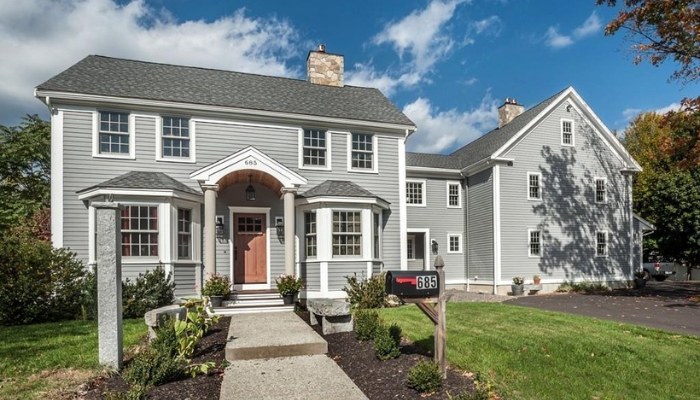
Choosing the best siding for your home is one of the most impactful decisions you can make; it affects durability, maintenance, energy efficiency, and overall curb appeal.
The best siding options are the top-performing exterior materials, such as vinyl, fiber cement, engineered wood, metal, and stone veneer, chosen for their strength, longevity, and ability to protect a home from weather and wear.
Each siding type offers unique benefits, visual styles, and long-term costs.
In this guide, we break down the most reliable siding materials so you can choose the right fit for your budget, home style, and climate.
Table of Contents
- TL;DR: Best Siding Options
- Key Factors That Define the Best Siding Options
- Vinyl Siding
- Fiber Cement Siding
- Engineered Wood Siding
- Traditional Wood & Cedar Siding
- Metal Siding
- Stone Veneer
- Comparison Table
- How to Choose the Right Siding for Your Home
- FAQs
- Conclusion
TL;DR: Best Siding Options
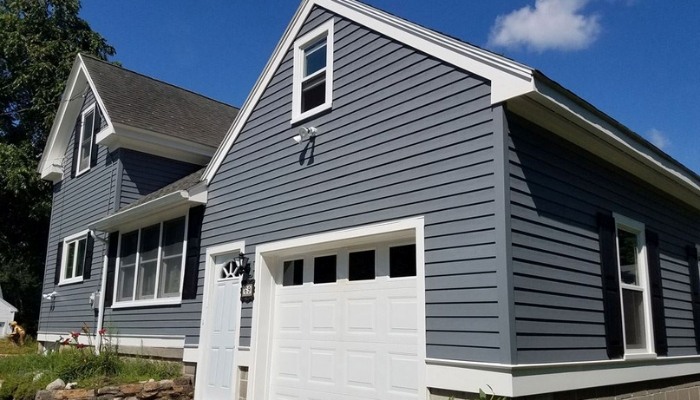
The “best” siding depends on your climate, budget, and how much maintenance you’re willing to do.
- Vinyl is the most budget-friendly and easiest to care for.
- Fiber cement is one of the strongest all-around choices for harsh weather with low upkeep.
- Engineered wood gives a real-wood look with better durability than traditional wood.
- Cedar/wood looks amazing but needs regular staining/painting to avoid moisture issues.
- Metal is a modern, tough option that handles extreme weather with minimal maintenance.
- Stone veneer delivers premium curb appeal and long life, but it’s usually the most expensive and often used as an accent.
Choose based on your situation:
- Lowest cost + low maintenance: Vinyl
- Best all-around for Connecticut’s seasons: Fiber cement
- Wood look with less upkeep than real wood: Engineered wood
- Authentic, classic exterior (and you’ll maintain it): Cedar/wood
- Modern style + very strong weather resistance: Metal
- Luxury look + resale value (often as an accent): Stone veneer
Free Guide for Homeowners
2026 SIDING MATERIAL GUIDE
Learn how smart homeowners balance aesthetics, durability, and budget to choose the perfect exterior shield that withstands New England’s toughest weather.
Key Factors That Define the Best Siding Options
The “best” siding for a home depends on how well the material performs in several key areas. Every house has different needs based on climate, maintenance expectations, design goals, and budget. Understanding these factors helps homeowners choose the siding that delivers the longest-lasting value.
- Durability: The ability to withstand harsh weather, high winds, moisture, pests, and temperature changes without warping, rotting, or cracking.
- Maintenance Requirements: Some siding types, like vinyl and fiber cement, require very little upkeep, while natural wood needs regular painting or staining.
- Lifespan: High-quality siding materials can last 30–50+ years, making them stronger long-term investments.
- Energy Efficiency: Certain siding materials provide better insulation, helping regulate indoor temperatures and reduce energy costs.
- Cost & Long-Term Value: Upfront cost matters, but lifetime maintenance, repairs, and durability are equally important.
- Aesthetic Appeal: The siding should complement the style of your home and enhance curb appeal with color, texture, and overall appearance.
- Climate Suitability:The best siding for Connecticut homes must perform well in four-season weather, including humidity, snow, and high winds.
When you evaluate siding based on these criteria, it becomes easier to determine which material offers the strongest balance of protection, beauty, and long-lasting performance.
Vinyl Siding – Affordable & Versatile
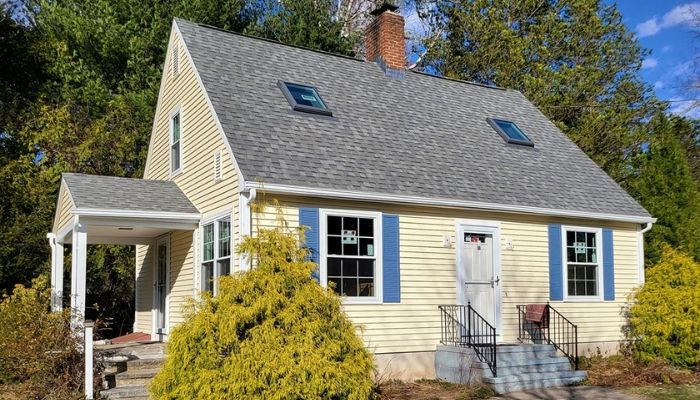
Vinyl siding remains one of the most popular exterior siding materials for homeowners because it offers an excellent balance of affordability, durability, and design flexibility. It requires very little upkeep, making it a convenient option for busy homeowners who want long-lasting performance without ongoing maintenance.
Why Vinyl Siding Is a Top Choice
- Budget-friendly: Vinyl is one of the most cost-effective siding materials, making it ideal for siding replacements or large exterior updates.
- Low maintenance: Unlike wood, it doesn’t need painting, staining, or sealing. A simple wash is enough to keep it looking clean.
- Wide range of colors and textures: Vinyl comes in countless factory-applied colors and styles, including options that mimic the look of wood siding.
- Resistant to moisture and pests: Vinyl doesn’t absorb water and isn’t affected by termites, rot, or mold.
- Improved performance over the years: Modern vinyl siding is stronger, more impact-resistant, and better engineered than older versions.
Best For: Homeowners seeking an affordable, low-maintenance siding option with plenty of design choices.
Fiber Cement Siding – Durable & Low-Maintenance
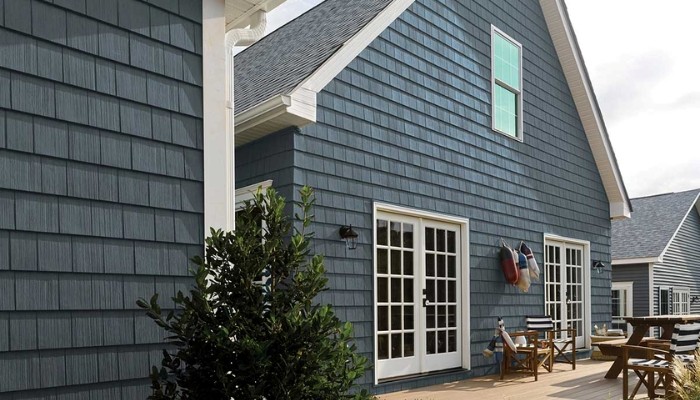
Fiber cement siding is one of the most durable and reliable siding materials available today. Made from a blend of cement, sand, and cellulose fibers, it’s engineered to withstand harsh weather, moisture, fire, and everyday wear, making it a top choice for long-term performance.
Why Fiber Cement Siding Stands Out
- Exceptionally durable: Products like James Hardie & Everlast siding resist cracking, warping, swelling, rot, and impact from debris or high winds.
- Low maintenance: Factory-applied finishes can last years without repainting, and the material itself requires minimal care.
- Fire and pest resistance: Fiber cement is non-combustible and unaffected by termites, carpenter ants, or woodpeckers.
- Realistic wood-like appearance: Texture options closely mimic natural wood grain, offering the beauty of wood without the maintenance demands.
- Weatherproof performance: Handles moisture-heavy environments, freeze-thaw cycles, and hot summers with ease.
Best For: Homeowners who want a premium-looking, long-lasting siding material, such as Hardie board siding, that performs well in all climates and requires minimal maintenance.
Engineered Wood Siding – Real Wood Look, Better Performance
Engineered wood siding is designed for homeowners who love the appearance of natural wood but want a material that’s stronger, more consistent, and easier to maintain. Composite options like Everlast siding offer a similar low-maintenance approach with a clean, uniform finish. Made from layers of wood fibers and resins, it offers the warmth of wood with enhanced durability.
Why Engineered Wood Is a Strong Contender
- Authentic wood appearance: Engineered wood convincingly replicates the texture, color, and grain of natural wood siding.
- Greater durability than traditional wood: Its engineered construction helps resist moisture, rot, mold, and pests.
- Lightweight and easier to install: Compared to fiber cement, engineered wood is lighter, making installation faster and more cost-efficient.
- Factory-applied finishes: Many products come pre-primed or pre-finished, while Everlast composite siding is designed to be paint-free, using a UV-resistant acrylic capstock for long-term fade resistance and color retention.
- Improved impact resistance: Holds up well against high winds, hail, and debris—ideal for areas with unpredictable weather.
Best For: Homeowners who want the warmth of real wood but prefer better protection, easier upkeep, and long-term reliability.
Traditional Wood & Cedar Siding – Naturally Beautiful
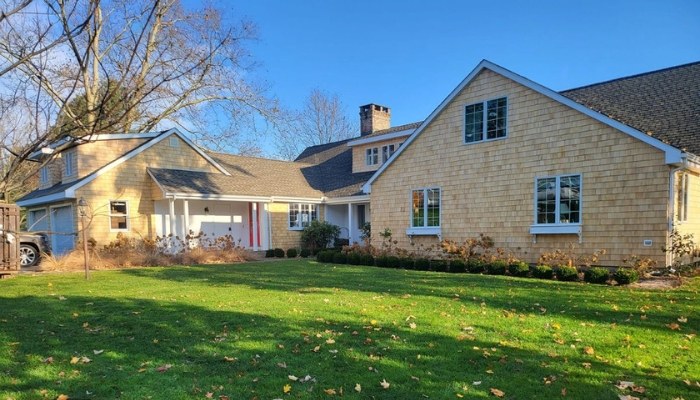
Traditional wood siding, especially cedar, offers a level of natural warmth and character that synthetic materials simply can’t match. Its rich grain patterns, organic texture, and timeless appeal make it a favorite for homeowners who value authentic craftsmanship and a high-end exterior look.
Why Homeowners Love Wood & Cedar Siding
- Unmatched natural beauty: Wood creates a warm, inviting exterior with real grain patterns and color variations that enhance curb appeal.
- Versatile and customizable: It can be stained, painted, or left to weather naturally, giving homeowners full creative control over the final look.
- Natural insulation: Wood offers strong thermal performance and helps reduce noise, contributing to a more comfortable home.
- Works with any style: From rustic cottages to classic New England homes, cedar and other wood sidings add a timeless architectural finish.
Considerations: Wood siding requires regular maintenance, such as staining or sealing every few years, to stay protected from moisture, insects, and sun exposure. For homeowners who are willing to invest in upkeep, wood delivers stunning, long-lasting beauty.
Best For: Homeowners who value authenticity, craftsmanship, and traditional curb appeal and don’t mind the maintenance involved.
Metal Siding – Modern, Strong & Weather-Resistant
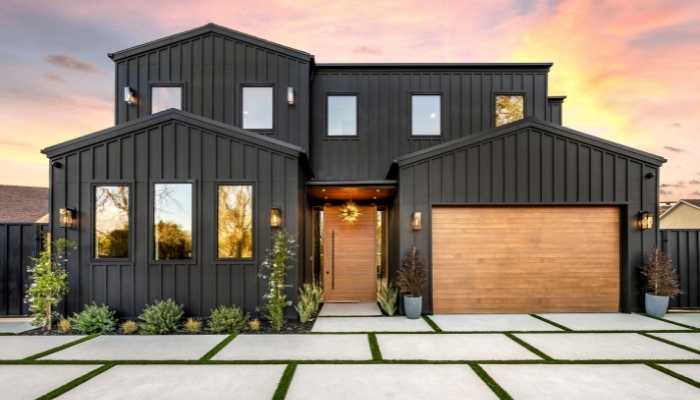
Metal siding, typically aluminum or steel, has become increasingly popular for homeowners looking for a sleek, modern aesthetic paired with exceptional durability. Its ability to withstand harsh weather and require minimal upkeep makes it a strong contender among today’s best siding options.
Why Metal Siding Performs So Well
- Highly durable: Metal resists warping, cracking, rot, and insect damage, even in extreme conditions.
- Excellent weather resistance: Steel and aluminum handle high winds, heavy rain, and rapid temperature changes without losing structural integrity.
- Fire-resistant: Metal is non-combustible, offering an extra layer of protection for your home.
- Low maintenance: Unlike wood, it doesn’t require staining or sealing, just occasional cleaning to remove dirt or debris.
- Long-lasting appearance: Modern metal siding comes in a wide range of finishes, including wood-look patterns and powder-coated colors that resist fading.
Best For: Homeowners who want a modern look, superior weather resistance, and a low-maintenance material that stands up to tough conditions year-round.
Stone Veneer – Premium, High-End Curb Appeal

Stone veneer siding offers the luxurious look of natural stone without the weight or cost of full masonry. It’s often used as an accent on porches, foundations, and entryways, but can also be installed across the entire exterior for a bold, upscale finish.
Why Stone Veneer Stands Out
- High-end aesthetic: Stone veneer instantly elevates curb appeal with rich textures and authentic stone patterns.
- Exceptional durability: It resists impact, moisture, pests, and harsh weather, making it one of the longest-lasting siding options.
- Versatile design: Available in countless colors, shapes, and styles to match traditional, rustic, or modern home designs.
- Adds significant resale value: Stone accents are seen as a premium upgrade that attracts buyers and enhances overall home value.
Considerations: Stone veneer is more expensive than other siding options and requires professional installation. While very durable, it’s typically used as an accent material rather than a full siding replacement due to cost.
Best For: Homeowners seeking a premium, long-lasting siding option or a striking exterior accent that boosts curb appeal and adds architectural interest.
Comparison Table – Cost, Maintenance & Longevity
Choosing the best siding option becomes much easier when you see how each material compares side by side.
While exact pricing varies by region and product line, these general comparisons help homeowners understand what to expect.
| Siding Type | Upfront Cost | Maintenance | Durability | Lifespan | Best For |
| Vinyl | Low | Very Low | Good | 20–30+ years | Budget-friendly, low maintenance |
| Fiber Cement | Moderate–High | Low | Excellent | 30–50+ years | Harsh climates, long-term performance |
| Engineered Wood | Moderate | Low–Moderate | Very Good | 25–35+ years | Wood look with better durability |
| Cedar/Wood | Moderate–High | High | Moderate | 20–40+ years (with upkeep) | Authentic, natural beauty |
| Metal | Moderate–High | Low | Excellent | 40–60+ years | Modern design, severe weather |
| Stone Veneer | High | Very Low | Excellent | 50+ years | Premium accent or full luxury finish |
How to Choose the Right Siding for Your Home
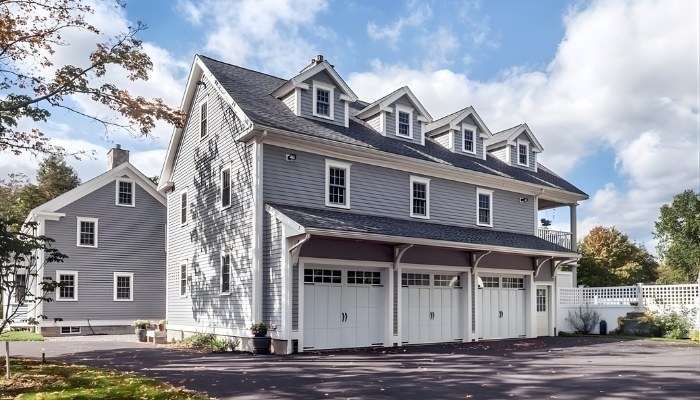
The best siding isn’t a one-size-fits-all choice. Your ideal material depends on your climate, maintenance preferences, style goals, and budget.
Key Considerations When Choosing Siding
- Climate: Areas with heavy moisture, snow, and temperature swings benefit from fiber cement, engineered wood, or metal.
- Style: For timeless, warm exteriors, cedar and engineered wood offer the most natural appearance.
- Maintenance: If low upkeep is a priority, vinyl, fiber cement, and metal are your top options.
- Budget: Vinyl offers the most affordable installation, while stone veneer and some metal products sit at the higher end.
- Durability: Fiber cement and metal siding provide the strongest long-term weather resistance.
- Resale Value: High-end materials like fiber cement and stone veneer often deliver the best return on investment.
By focusing on these factors, homeowners can confidently narrow down the best siding choice for long-term performance and curb appeal.
FAQs
The best siding depends on your priorities. For low maintenance and strong durability, fiber cement and vinyl are top choices. For natural beauty, cedar or engineered wood work best. If you want a modern, weather-resistant finish, metal siding is an excellent option.
Metal and stone veneer are among the longest-lasting siding materials, often lasting 50 years or more. Fiber cement is also extremely durable and typically lasts 30–50+ years with minimal maintenance.
Current siding trends focus on mixed materials, combining options like stone veneer, metal accents, and fiber cement for a more dynamic exterior. Dark, bold colors, wider lap siding, and wood-look composite materials are also increasingly popular.
Fiber cement siding consistently ranks as one of the best-rated materials because of its durability, fire resistance, low maintenance, and realistic wood-like appearance. Vinyl siding also receives high ratings for affordability, versatility, and ease of upkeep.
Free Guide for Homeowners
2026 SIDING MATERIAL GUIDE
Learn how smart homeowners balance aesthetics, durability, and budget to choose the perfect exterior shield that withstands New England’s toughest weather.
Conclusion
Choosing the best siding option for your home comes down to balancing beauty, durability, maintenance, and cost. Whether you prefer the natural warmth of wood, the long-term strength of fiber cement, the affordability of vinyl, or the luxury of stone veneer, each material offers unique advantages that can enhance your home’s protection and curb appeal.
If you’re unsure which siding option is right for your home, K.P. LaMarco Construction is here to help.
Our team brings years of Connecticut-based expertise and can recommend the best solution based on your home’s style, budget, and climate needs. Ready to upgrade your home’s exterior? Contact K.P. LaMarco Construction today for a free quote, delivered within 24 hours.