
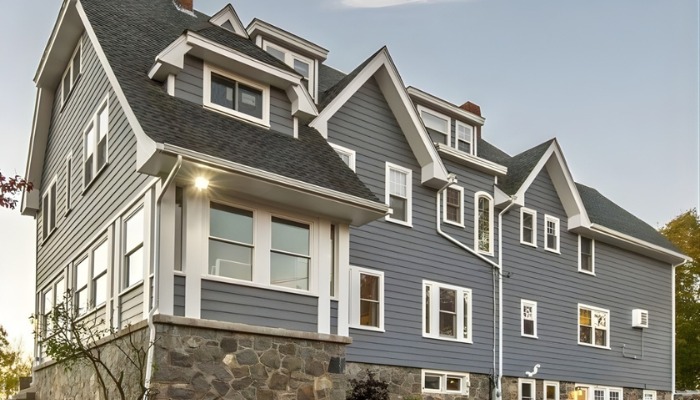
When to Replace Siding on Your Connecticut Home
Your home’s siding does more than just look good from the street.
It’s the first line of defense against rain, snow, wind, and everything else nature throws at your house.
And it plays a key role in protecting your home, keeping energy bills down, and holding its value over time.
So, how do you know when it’s time to replace it?
You should replace siding when you notice damage such as cracks, warping, or rot. The same goes for water stains inside your home or energy bills that keep rising for no clear reason. Most siding lasts 20 to 40 years, depending on the material. But if you see more than one warning sign, or your siding is near the end of its life, replacement usually beats repeated repairs.
However, for most homeowners, the real question is whether to repair or replace their siding. And the answer depends on the type of damage, the age of the siding, and what it will cost to keep patching it.
In this guide, we’ll cover the warning signs to watch for, how long different materials last, what to expect for costs, and the best timing for your project.
Table of Contents
- What Is Siding on a House & Why It Matters
- How Long Does Siding Last? Lifespan by Material
- What Are the Top Signs You Need Siding Replacement?
- Siding Replacement vs. Repair – When to Choose Which
- Cost to Replace Siding
- Best Timing for Siding Replacement
- How New Siding Benefits Your Home
- Conclusion
What Is Siding on a House & Why It Matters
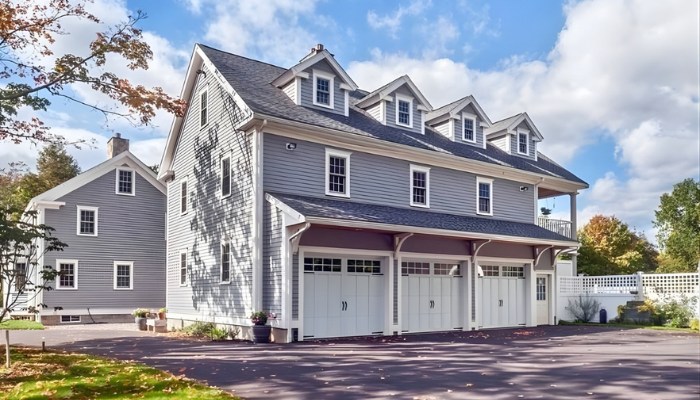
Siding is the outer layer that covers your home’s exterior walls. It can be vinyl, wood, fiber cement, metal, or composite material. Each type looks different, but they all serve the same core purpose: creating a sealed barrier between your home’s frame and the outside world.
That barrier does three critical jobs. First, it blocks weather damage. Rain, snow, and wind constantly test your home’s exterior. Quality siding keeps moisture from reaching the wood framing and insulation underneath. When it fails, water seeps in, leading to rot, mold, and structural problems.
Second, siding supports energy efficiency. It works with your insulation to maintain indoor temperature. Gaps, cracks, or damaged sections let conditioned air escape. The result? Your heating and cooling systems run longer and your energy bills climb higher.
Third, siding defines your home’s appearance. It’s the largest visual element on your exterior. Fresh, well-kept siding boosts curb appeal and home value. Worn or damaged siding drags both down.
How Long Does Siding Last? Lifespan by Material
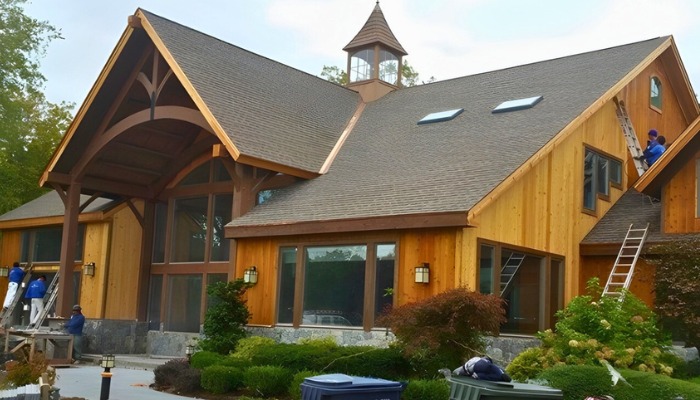
Not all siding lasts the same amount of time. So, the material you choose directly affects how long your home’s exterior will hold up. And climate plays a role too. Connecticut’s freeze-thaw cycles, humidity, and coastal conditions can shorten siding life if you don’t pick the right material.
- Vinyl Siding: Typically lasts 20 to 30 years. It’s affordable and low maintenance, which is why it’s so popular. In fact, vinyl made up the largest share of the siding market at 24% in 2023. But extreme cold can make vinyl brittle over time. And while it resists fading, older vinyl may crack or warp after decades of exposure.
- Wood Siding (including cedar): Can last 20 to 40 years, but only with regular maintenance. Cedar naturally resists rot and insects better than other woods. However, it needs to be stained or sealed every 3 to 5 years to remain protected. If you skip the maintenance, the wood will rot, crack, or mold much faster.
- Fiber Cement Siding: One of the most durable options, lasting 30 to 50+ years. Brands like James Hardie are built to handle harsh weather, resist moisture, and stand up to fire and pests. It requires minimal maintenance beyond occasional repainting.
- Aluminum Siding: Lasts 25 to 40 years. It’s fire-resistant and holds up well against insects. But it dents easily on impact and isn’t as common on newer homes. Most homeowners today choose vinyl or fiber cement instead.
- Composite Siding (engineered wood): Typically lasts 30 to 50 years. It mimics the look of real wood but handles moisture and pests far better. Composite siding is a solid middle ground between natural wood and fiber cement.
What Are the Top Signs You Need Siding Replacement?
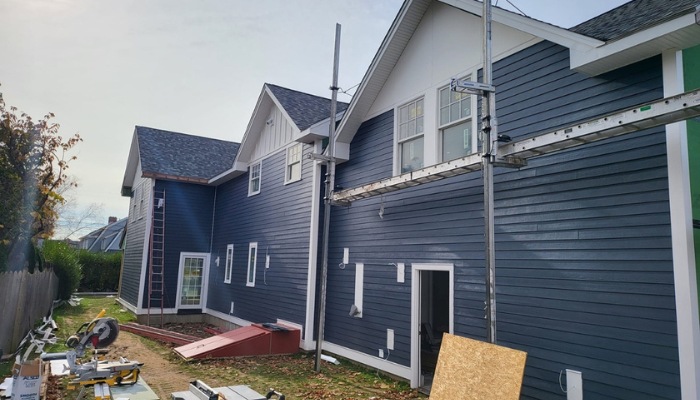
Is Your Siding Cracking, Warping, or Rotting?
Walk around your home and look closely at the siding panels or boards. Cracks, warping, and visible rot are clear red flags. These issues mean the material has broken down and can no longer protect your home’s structure.
Cracking often starts small but spreads over time. Warped panels pull away from the house, creating gaps where water and pests can enter. Rotting wood feels soft or spongy to the touch and crumbles under pressure. If you see these signs in multiple areas, the problem is widespread. Patching a few boards won’t fix the underlying issue.
Are You Seeing Mold, Mildew, or Water Damage?
Mold and mildew on your siding’s surface suggest moisture is getting trapped. That’s a sign the siding isn’t draining or drying properly. And if moisture is staying on the surface, it’s likely getting behind it too.
Water stains, discoloration, or bubbling paint point to water penetration. Once water gets behind your siding, it rots the wood framing, damages insulation, and creates the perfect environment for mold growth inside your walls. The longer it goes unchecked, the more expensive the repairs become.
Has the Color Faded or Is the Paint Peeling?
Fading and peeling are not just cosmetic issues. They often mean your siding’s protective layer is wearing out. That outer layer helps block the sun, moisture, and harsh weather. Once it breaks down, the siding underneath takes more damage.
If the color looks washed out, the material has likely been exposed to the sun for years. And if paint is peeling, moisture may be getting in and pushing the finish off from behind. Either way, it’s a sign your siding is failing.
Are Energy Bills Rising with No Other Cause?
If your heating and cooling costs have gone up and nothing else has changed, your siding could be to blame. As siding ages or becomes damaged, it stops sealing your home. The most common cause is small openings you may not notice at first, like cracks, gaps, and warped panels that let heated or cooled air leak out.
That means your HVAC system has to run longer just to keep the house comfortable. Over time, your energy bills climb. New siding can help seal things back up and reduce energy loss.
Do You Need Frequent Repairs or Maintenance?
Occasional repairs are normal. But if you keep fixing the same spots, or new damage keeps showing up, it usually means the siding is wearing out. At that point, repair costs add up fast.
When you are stuck in a cycle of patching and re-patching, replacement is often the better move. It stops the problem at the source instead of paying for short-term fixes again and again.
Do Interior Walls Show Moisture Signs?
Sometimes the first sign of failing siding shows up inside your home. Peeling paint on interior walls, water stains near the ceiling or baseboards, or damp spots that won’t dry are all red flags. They usually mean water is getting through the exterior and into your walls.
This is one of the most serious warning signs. By the time moisture shows up indoors, it may have already damaged framing and insulation behind the wall. If you notice these signs, it’s smart to have your siding inspected as soon as possible.
Free Guide for Homeowners
2026 SIDING MATERIAL GUIDE
Learn how smart homeowners balance aesthetics, durability, and budget to choose the perfect exterior shield that withstands New England’s toughest weather.
Siding Replacement vs. Repair – When to Choose Which
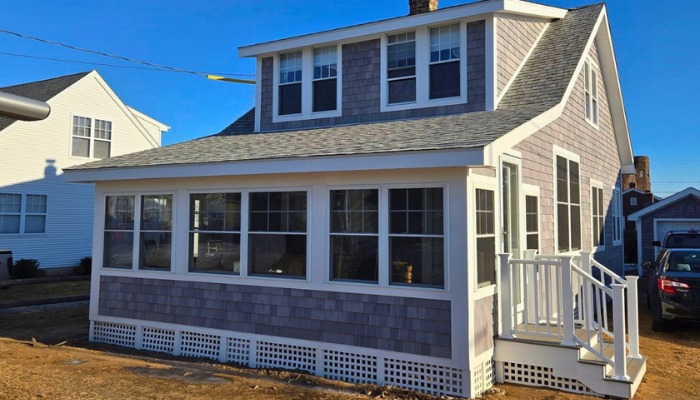
When Repair Makes Sense
Minor, isolated damage is usually worth repairing. If one panel cracks from a storm, a few boards rot near a leaky gutter, or one section gets damaged, you can often fix that area without touching the rest. And if your siding is still fairly new, repairs usually make more sense than a full replacement.
When Replacement Is the Better Choice
House siding replacement makes more sense when damage is spread out. If you see cracks, rot, or warping on more than one side of the house, repairs usually won’t fix it for long. You’ll just keep finding new problems as the siding keeps wearing out.
Age matters too. If your siding is 25 to 30 years old and starting to fail, it’s often better to replace it. Even the parts that look “fine” now may not last much longer. And replacing everything at once is usually cheaper than fixing it piece by piece.
The Cost-Effectiveness Question
Here’s a simple rule. If repairs cost more than 30 to 40 percent of a full replacement, replacement is usually the better deal. You get long-term protection instead of a short-term patch. And new siding can improve curb appeal, reduce energy loss, and boost resale value. Repairs mostly just keep things working for now.
Cost to Replace Siding
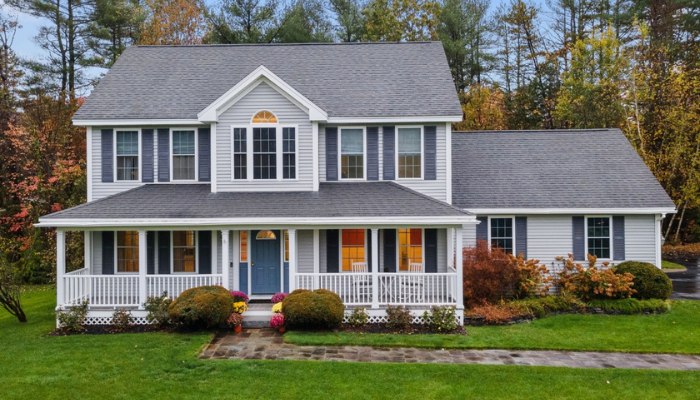
Siding replacement is a major investment, but costs vary widely depending on the material, home size, and location. Knowing what drives the price helps you budget well and avoid surprises.
Basically, there are three main factors that set your total cost:
- Material choice: Vinyl is usually the most affordable. Fiber cement and engineered wood tend to cost more. Cedar and stone veneer are often the most expensive.
- Home size: Larger homes need more materials and more labor. A 1,500-square-foot home costs far less to side than a 3,000-square-foot home.
- Labor rates: Connecticut labor costs are often higher than the national average due to local demand and cost of living.
Cost Per Square Foot and Total Project Estimates
Here’s what Connecticut homeowners typically pay:
- Vinyl siding: $3 to $6 per square foot installed
- Fiber cement siding: $7 to $18 per square foot installed
- Wood siding (cedar): $10 to $16 per square foot installed
- Composite siding: $4 to $10 per square foot installed
For a full replacement project, most homeowners spend between $5,560 and $17,646, with the national average around $11,500. Larger homes, premium materials, or complex architectural details can push costs higher.
Other factors like removing old siding, fixing hidden damage, or extra trim and corners, can also raise the price.
The key point is simple: cheaper materials save money upfront, but may need more upkeep over time. Stronger options like fiber cement (which is likely the fastest-growing siding option today) often cost more at first but can pay off in the long term.
Best Timing for Siding Replacement
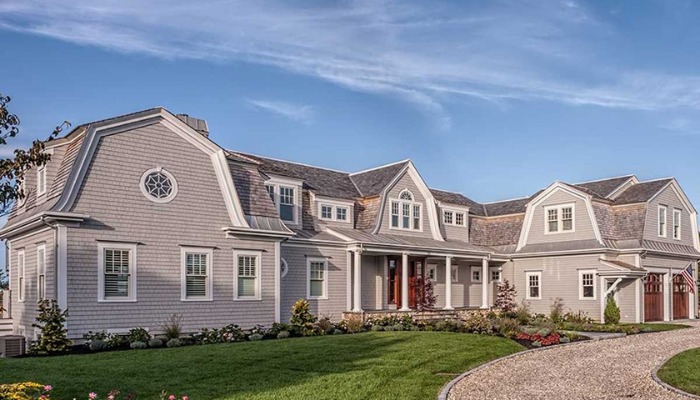
The best time to replace siding is when the weather helps the job go smoothly. In most cases, that means spring or fall. Temperatures are milder, rain is less of a wildcard, and crews can work faster with fewer delays.
Summer can also work well, especially with longer days. However, heat and storms can slow things down, so it helps to build in some buffer time.
Winter projects are sometimes possible, but they take more planning. Cold weather can affect materials and sealing, and snow or ice can pause work for safety.
No matter the season, the goal is the same. You want steady weather and a clean install. And if your siding is already letting in water, it’s usually smarter to move sooner rather than wait.
How New Siding Benefits Your Home
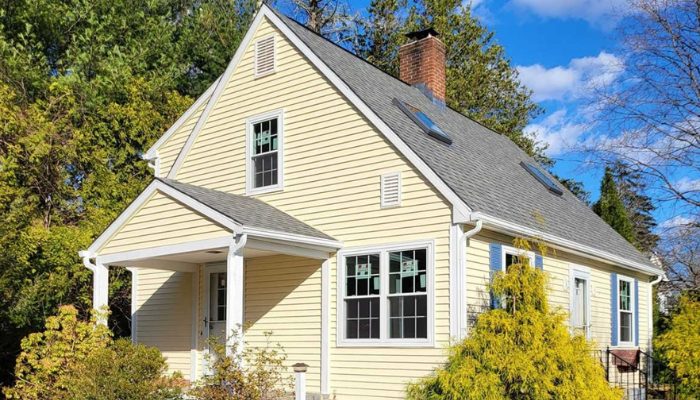
Replacing old siding is not just about fixing damage. It can also improve how your home looks, how it feels inside, and how well it holds up over time.
First, new siding gives your home a cleaner, newer look from the street. That boost in curb appeal matters if you plan to sell, but it also matters day to day. Your home simply looks more cared for. And in many cases, updated siding can support resale value since buyers often see it as a major upgrade.
New siding can also improve comfort and lower energy bills.
When old siding cracks, warps, or pulls away, air leaks become more common. That forces your heating and cooling system to work harder. With properly installed siding and a solid weather barrier underneath, your home stays better sealed.
As a result, many homeowners notice more stable indoor temperatures and lower bills over time.
Finally, replacement gives you a fresh start. You can fix hidden issues, reduce the risk of moisture damage, and get long-term protection you do not have to keep patching and worrying about.
Best Type of Siding to Choose for Your Connecticut Home
Connecticut siding has to deal with a lot: nor’easters, freeze-thaw cycles, high humidity, and (near the shoreline) salt in the air. That means the “best” siding is usually the one that handles moisture and temperature swings well, while matching your budget and how much upkeep you are willing to take on.
Here are the best types of siding for CT homes, and when each one makes the most sense:
Fiber cement (Hardie Plank) for the best all-around performance
If you want a long-term, low-drama option, fiber cement is a strong pick for Connecticut. It holds up well against wind and rain, resists insects, and handles wet conditions better than many materials. It also comes in styles that mimic wood, cedar, or stucco, so you can get a traditional look without choosing real wood.
Best for: homeowners who want durability and low maintenance, and plan to stay in the home.
Composite (engineered wood) for a wood look with less upkeep
Composite siding gives you the look of wood, but with better resistance to common CT issues like rot and cracking. It is also impact-resistant and generally easier to paint than some other options. The key is proper sealing and installation so it stays protected over time.
Best for: homeowners who want a wood-style exterior without signing up for the same level of ongoing maintenance.
Vinyl for the best value and simplest maintenance
Vinyl is popular in Connecticut because it is affordable, comes in a wide range of colors, and does not ask for much beyond basic cleaning. The tradeoff is that extreme cold can make vinyl more brittle over time, and it can crack if hit hard.
Best for: budget-focused projects where low maintenance is the main priority.
Cedar shakes for classic New England curb appeal (if you will maintain it)
Cedar has that timeless CT look and gives a natural, high-end finish. But it needs staining/finishing to keep it protected, and it can attract insects over time if it is not cared for.
Best for: homeowners who want the traditional New England style and are comfortable with regular upkeep.
Stone veneer for a premium accent and long-lasting durability
Stone veneer is often used as an accent (entryways, lower facade, or feature sections) to add a high-end feel. It is very durable in harsh weather, but it usually comes with a much higher upfront cost than other materials.
Best for: homeowners who want a premium look, often paired with another siding material.
Free Guide for Homeowners
2026 SIDING MATERIAL GUIDE
Learn how smart homeowners balance aesthetics, durability, and budget to choose the perfect exterior shield that withstands New England’s toughest weather.
Conclusion
Knowing when to replace siding comes down to spotting the warning signs early and understanding what your home needs.
Cracks, warping, rot, moisture issues, and rising energy bills can all mean your siding is no longer doing its job.
And the longer you wait, the more likely small problems turn into bigger repairs.
If you think your siding is wearing out, it helps to get a professional opinion before things get worse.
K.P. LaMarco Roofing & Siding can inspect your exterior, explain your options, and help you plan the right next step. Contact our team today to request a free estimate.