
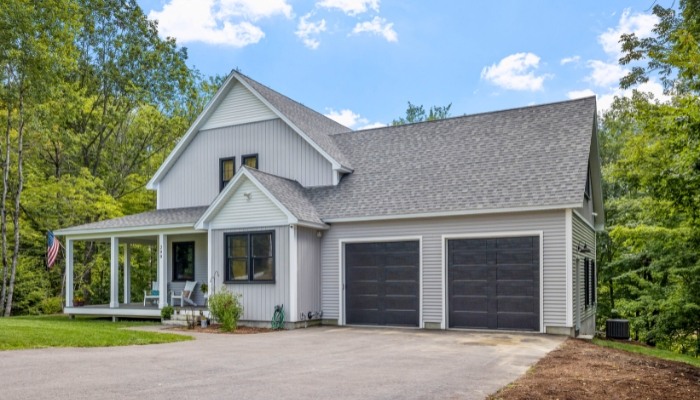
Hardie Plank Siding Cost – Material and Installation Guide
Hardie Plank siding is a fiber cement product by James Hardie and a popular choice among Connecticut homeowners who want a durable, low-maintenance exterior that mimics the look of real wood.
It’s built for harsh winters, humidity, and seasonal temperature swings, making it a popular choice for homeowners looking for durability, appearance, and long-term value.
Here’s what we’ll cover in the article:
- How Much Does Hardie Plank Siding Cost in Connecticut?
- Hardie Siding Cost Breakdown
- Project Cost Examples
- What Drives the Cost of James Hardie Siding
- FAQs
- Conclusion and Next Steps
Read on for a full breakdown of materials, labor, and real-world project examples specific to Connecticut homes.
How Much Does Hardie Plank Siding Cost in Connecticut?
If you’re budgeting for new siding, knowing the Hardie Plank siding cost in Connecticut helps you plan effectively.
Below is a pricing snapshot based on regional averages. Final quotes usually climb on taller homes, trim-heavy homes, and projects that need removal, repair work, or added moisture protection.
| Cost Component | Price Range (CT Avg.) | Details |
| Material Only (Pre-Primed) | $1.75 – $3.75/sq ft | Base fiber cement boards, ready for on-site painting |
| Material (ColorPlus® Technology) | $2.25 – $5.25/sq ft | Factory-painted boards with superior color retention |
| Installation (Labor) | $4.50 – $8.50/sq ft | Influenced by home size, height, region, and contractor rates |
| Total Installed Cost (All-In Avg.) | $7.00 – $14.00/sq ft | Complete installation, standard trim, fasteners, underlayment |
| Full Project Estimate (2,000 sq ft) | $14,000 – $28,000 | Varies based on complexity, finish, and town permitting fees |
Hardie Siding Cost Breakdown
Hardie siding costs usually come down to three main parts: materials, installation, and added project expenses. Let’s start with the base of every project: what you’ll pay for the siding itself.
Material Costs
When planning a Hardie siding project, the first major cost factor is materials. In Connecticut, where weather resistance is key, choosing the right grade and finish of Hardie Plank siding is essential.
Here’s a breakdown of average material costs per square foot for both standard and premium options:
| Product Type | Average CT Price (per sq ft) | Description |
| Standard (Pre-Primed) | $1.75 – $3.75 | Delivered unpainted and requires on-site painting. Budget-friendly but needs more labor. |
| Premium (ColorPlus® Technology) | $2.25 – $5.25 | Factory-finished with baked-on paint that resists fading, peeling, and cracking. |
ColorPlus vs. Pre-Primed: While ColorPlus® siding costs more upfront, it comes factory finished and carries a 15-year limited finish warranty. Pre-primed siding costs less at the start, but it still needs field painting after installation, which adds labor, time, and future maintenance considerations.
Keep in mind that trim boards, soffits, and accessories (available in matching finishes) will add to your overall materials budget. These components typically cost between $1.00–$2.50 per linear foot, depending on the style and finish.
Installation Costs
Material prices are usually more predictable than labor. In Connecticut, installation costs can vary widely depending on home height, trim detail, access, and how much prep or repair work is needed before the new siding goes on.
Labor Pricing Factors in Connecticut
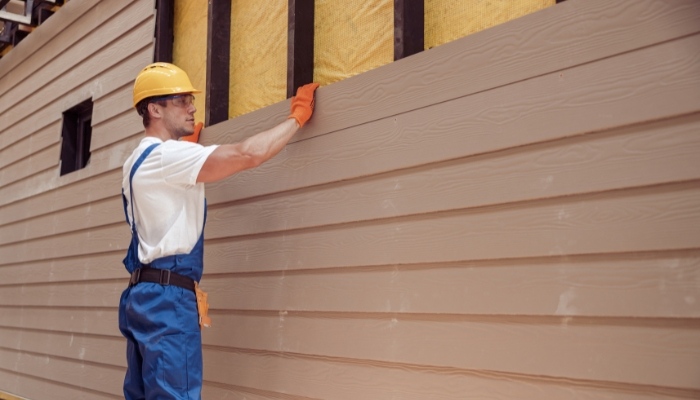
The cost to install Hardie Plank siding in Connecticut typically ranges from $4.50 to $8.50 per square foot. Here’s what drives that variation:
- Home Size: Larger homes require more labor and time, increasing the total cost.
- Number of Stories: Two- or three-story homes need scaffolding or lift equipment, which adds to labor complexity.
- Home Complexity: Architectural features like gables, dormers, or irregular walls raise the difficulty and cost.
- Local Labor Rates: Labor costs vary by county and contractor demand, and rates tend to be higher in coastal and metro areas like Fairfield County.
What’s Included in a Typical Installation Quote?
A reputable contractor in Connecticut will usually include the following in their quote:
- Removal of old siding (if applicable)
- Preparation and moisture barrier installation
- Mounting of Hardie siding boards (including trim)
- Caulking around windows, doors, and seams
- Fasteners and minor repair work as needed
- Clean-up and debris disposal
Tip: Ask every contractor whether the quote includes tear-off, disposal, house wrap or weather barrier, flashing, caulking, permit handling, and any scaffolding or lift charges. This makes it much easier to compare quotes fairly.
Additional Expenses
Beyond materials and labor, there are several additional costs that Connecticut homeowners should factor into their Hardie Plank siding project budget. These expenses can significantly impact the total price, especially on older homes or more complex installations.
Common Extra Costs in Connecticut
| Expense Type | Typical Range | Details |
| Old Siding Removal | $0.50 – $1.00/sq ft | Necessary if replacing wood, vinyl, or asbestos siding; includes disposal. |
| Permits | $200 – $600+ | Varies by town; coastal and historic zones may have stricter requirements. |
| Waste Handling | $300 – $800 | Includes dumpster rental and debris haul-away for medium to large homes. |
| Material Delivery | $100 – $300 | Especially relevant for bulk orders or hard-to-access properties. |
Tip: If your home was built before 1978, ask whether lead-safe setup is part of the quote. Connecticut requires EPA RRP-certified firms for renovation work on pre-1978 housing, which can add time, containment steps, and cleanup costs.
Contingency Costs to Plan For
During tear-off, unexpected issues may be uncovered, such as:
- Damaged Sheathing: Replacing rotted wood can add $1.00 – $3.00 per sq ft.
- Framing Repairs: Structural fixes may add several hundred to a few thousand dollars depending on severity.
Recommendation: Budget an additional 10–15% of your total project cost as a contingency fund. This ensures you’re financially prepared for any surprises during installation.
Free Guide for Homeowners
2026 SIDING MATERIAL GUIDE
Learn how smart homeowners balance aesthetics, durability, and budget to choose the perfect exterior shield that withstands New England’s toughest weather.
Project Cost Examples
To help you visualize how material and labor costs translate into real-world budgets, here are sample pricing scenarios for typical Connecticut home sizes. These examples cover different finish levels, from budget-conscious to premium upgrades.
Sample Project Scenarios
| Home Size | Finish Level | Estimated Total Cost | Includes |
| 1,000 sq ft | Budget | $7,000 – $9,500 | Pre-primed siding, basic trim, single-story layout |
| 1,000 sq ft | Mid-Range | $9,500 – $12,500 | ColorPlus siding, upgraded caulking, moderate trim package |
| 1,000 sq ft | Premium | $12,500 – $15,000+ | Full ColorPlus package, rigid insulation, detailed trim work |
| 2,000 sq ft | Budget | $14,000 – $18,000 | Standard layout, pre-primed materials |
| 2,000 sq ft | Mid-Range | $18,000 – $23,000 | Mix of premium finishes, typical complexity |
| 2,000 sq ft | Premium | $23,000 – $28,000+ | Full ColorPlus, custom trim, insulation, and advanced moisture control |
| 2,500 sq ft | Budget | $17,500 – $22,000 | Efficient design, minimal custom work |
| 2,500 sq ft | Mid-Range | $22,000 – $28,500 | Balanced materials and design elements |
| 2,500 sq ft | Premium | $28,500 – $35,000+ | High-end trim, full insulation, multiple stories, custom architectural features |
What Influences Each Tier?
- Budget: Pre-primed siding, basic installation, minimal trim
- Mid-Range: Mix of standard and premium materials, some customizations
- Premium: Full ColorPlus siding, energy-efficient insulation, and aesthetic upgrades
These cost examples reflect averages in Connecticut and assume professional installation. For an exact estimate, you’ll want to account for your home’s layout, age, location, and contractor selection.
What Drives the Cost of James Hardie Siding
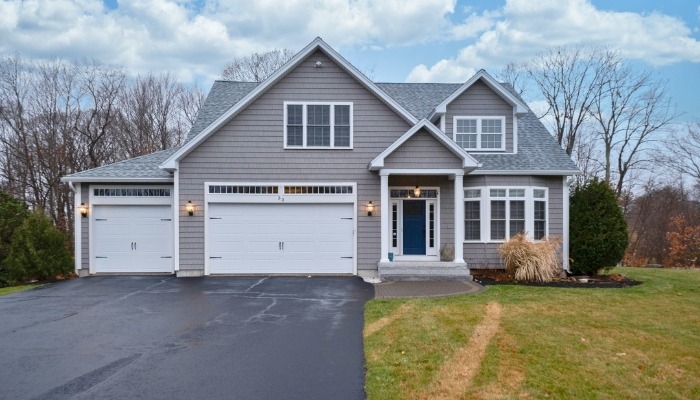
Hardie siding usually costs more than entry-level siding because you are paying for both the material and the installation demands that come with fiber cement.
It is heavier than vinyl, more installation-sensitive, and often chosen by homeowners who care more about durability and long-term value than the lowest upfront cost.
Here’s a breakdown of the factors that influence Hardie Plank siding cost, especially in regions like Connecticut where performance matters.
Product Composition & Durability
Hardie Plank is made from a proprietary blend of cement, sand, and cellulose fibers, engineered to resist:
- Moisture intrusion and mold growth
- Cracking, warping, and rot
- Pests like termites and carpenter ants
- Fire (rated as non-combustible)
This makes it a strong fit for Connecticut’s freeze-thaw cycles, high humidity, and coastal exposure. The tradeoff is a higher upfront cost, but many homeowners see value in its durability and lower upkeep.
Paint Finish Technologies & Design Options
James Hardie’s ColorPlus® Technology finish is a baked-on paint layer applied under factory-controlled conditions. It offers:
- Fade resistance even in direct sunlight
- Better adhesion and uniformity vs. field painting
- Warranty-backed finish (up to 15 years)
In addition, homeowners can choose from dozens of designer colors and textures, including woodgrain and smooth plank styles, plus options for vertical panels, board and batten looks, or shingle-style accents. These upgrades increase cost, but significantly boost curb appeal.
Brand Reputation, Warranty & Resale Value
James Hardie’s warranty and brand recognition are two reasons many homeowners still consider it despite the higher upfront cost.
Benefits include:
- A 30-year non-prorated product warranty
- Increased resale value due to name recognition
- Higher buyer confidence during home appraisals and sales
For some Connecticut homeowners, James Hardie siding can improve curb appeal and add peace of mind because of its durability and warranty coverage.
FAQs
In Connecticut, Hardie Plank siding costson a 2,000 sq ft home typically ranges from $14,000 to $28,000, depending on factors like finish type (pre-primed vs. ColorPlus), number of stories, and installation complexity.
Yes. Compared with vinyl and some wood siding options, Hardie Plank usually costs more upfront. Many homeowners still consider it worth the price because of its durability, weather resistance, and warranty coverage.
While durable, Hardie Board siding has some drawbacks:
– Higher installation cost than vinyl or engineered wood
– Heavier weight, requiring skilled labor and extra support
– Not entirely maintenance-free, caulking and painting touch-ups may still be needed over time
It depends on the wood type. Hardie Plank is generally cheaper than natural cedar or redwood, but more expensive than engineered wood or pine. Its longevity and low upkeep often make it more cost-effective over time.
Early versions of fiber cement siding sometimes had issues with moisture absorption and cracking, especially when improperly installed. Modern James Hardie products have resolved these concerns with improved formulations and installation guidelines.
James Hardie siding is sold as a long-life exterior product, and the clearest official benchmark is its 30-year non-prorated warranty. Actual lifespan depends heavily on installation quality, climate exposure, and upkeep.
Free Guide for Homeowners
2026 SIDING MATERIAL GUIDE
Learn how smart homeowners balance aesthetics, durability, and budget to choose the perfect exterior shield that withstands New England’s toughest weather.
Conclusion and Next Steps
For Connecticut homeowners, Hardie Plank siding is usually a higher-cost option upfront, but one many consider for its durability, appearance, and long warranty coverage.
Throughout this guide, we’ve covered:
- Material and labor costs for Hardie siding, including local pricing ranges
- Add-on expenses like permits, insulation, and repairs
- Real-world project estimates for homes between 1,000 and 2,500 square feet
- The unique benefits of Hardie’s ColorPlus® finish, durability, and brand value
Whether you’re planning a basic replacement or a high-end transformation, understanding the full Hardie siding cost breakdown helps you make an informed decision.
Ready to Start Your Project?
Now that you have a better understanding of Hardie Plank siding costs, the next step is comparing quotes based on your home’s size, layout, and installation needs.
If you’re ready to get pricing for your home, contact KP LaMarco for a quote that breaks out materials, labor, trim, prep work, and any potential repair items.