
When to Replace Your Roof in Connecticut
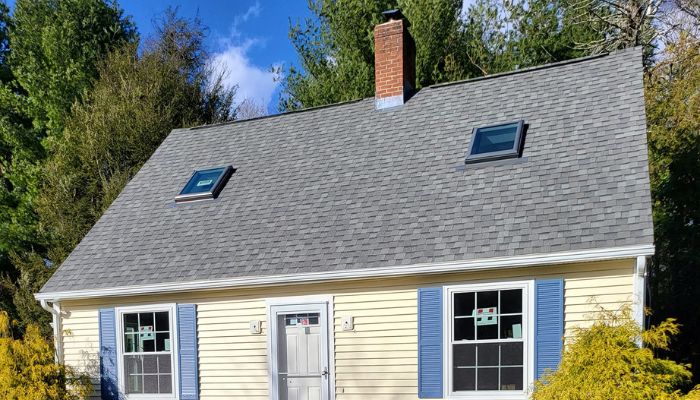
When to replace your roof in Connecticut depends on its age, roofing material, condition, and repair history.
Most roofs last at least 20 years, with some materials lasting much longer, but replacement may be needed sooner if you notice widespread deterioration, recurring leaks, sagging, storm damage, or other serious problems.
Because roof lifespan varies by material, homeowners should consider both expected service life and current condition rather than relying on age alone.
Key takeaways
- Roof lifespan varies by material, with most roofing systems lasting at least 20 years and some lasting 50 to 100+ years. Condition matters as much as age.
- Widespread material deterioration, repeated leaks, sagging, storm damage, and damaged roof decking are strong signs you may need a new roof.
- A repair may still make sense when the roof is younger and the problem is limited to one area.
- Connecticut snow, ice dams, wind, moisture, and freeze-thaw conditions can contribute to roof wear.
- If your roof is approaching the expected lifespan for its material, start paying closer attention to its condition and repair history.
Free Guide for Homeowners
2026 SIDING MATERIAL GUIDE
Learn how smart homeowners balance aesthetics, durability, and budget to choose the perfect exterior shield that withstands New England’s toughest weather.
How Long Does a Roof Last in CT?
How long does a roof last in CT? The average roof lifespan depends first on roofing material and then on installation quality, ventilation, maintenance, and weather exposure.
| Roofing Material | Typical Roof Lifespan |
| Asphalt shingles | About 20-30 years |
| Cedar shakes or shingles | About 30-40 years |
| Metal roofing | About 40-70 years |
| Synthetic slate | Often 50+ years |
| Natural slate | About 75-100+ years |
These are planning ranges, not expiration dates. A roof can fail earlier after poor installation, repeated storm damage, moisture problems, or inadequate ventilation.
A well-installed roof that has been maintained and has avoided major damage may remain serviceable longer.
It is also important not to confuse a manufacturer warranty with guaranteed roof lifespan. Warranty terms vary by product and may cover material defects for a different period than the roof’s real-world service life.
As any roof approaches the lower end of its expected lifespan, age should become a bigger part of repair decisions. That does not mean an older roof automatically needs replacement, but widespread wear or repeated problems deserve closer attention.
What Are the Signs It Is Time to Replace Your Roof?
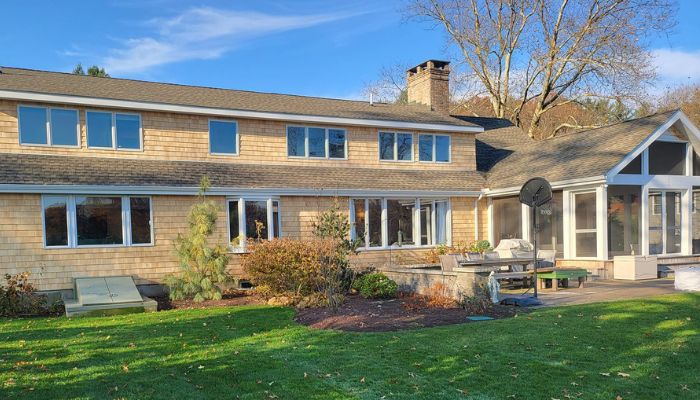
Roof age is only one part of the decision. The strongest signs you need a new roof usually involve damage that is widespread, recurring, or affecting the structure beneath the roofing material.
1. Your Roof Is Near the End of Its Expected Lifespan
A roof approaching the expected lifespan for its material should be watched more closely, particularly if you do not know its maintenance history.
Age by itself is not proof that replacement is necessary. A professional inspection can tell you whether the roof still has useful life left or whether its materials are beginning to fail across multiple areas.
2. Shingles Are Curling, Cracking, or Missing Across Multiple Areas
For asphalt, cedar, and other shingle-style roofing systems, one missing shingle after a storm may be repairable. Curling, cracking, buckling, or missing shingles across several roof planes point to a broader problem.
As shingles deteriorate, they become less effective at keeping wind-driven rain and melting snow away from the roof deck. Widespread deterioration is more likely to justify roof replacement than an isolated damaged section.
3. You Have Repeated Leaks or Interior Water Stains
A single leak does not automatically mean you need a new roof. The source could be damaged flashing, a vent, a chimney, or another localized problem.
Repeated leaks in different areas are more concerning. Water stains on ceilings or walls, damp insulation, mold, or recurring attic moisture may indicate that multiple parts of the roof system are no longer keeping water out.
4. Your Asphalt Shingles Are Losing Large Amounts of Granules
For asphalt shingle roofs, some granule loss naturally occurs over time. Excessive granule buildup in gutters, downspouts, or around the home can signal advanced wear, especially when shingles also show bare or dark patches.
If heavy granule loss appears across an older asphalt roof, replacement may make more sense than continuing to patch individual areas.
5. The Roofline Is Sagging or the Decking Feels Soft
A sagging roofline is more serious than surface-level roofing wear. It may point to moisture-damaged decking or another structural problem beneath the roof covering.
Visible dips, sagging sections, or soft roof decking should be professionally inspected promptly. These problems can require more than a surface repair.
6. Storm or Flashing Problems Keep Coming Back
Flashing around chimneys, skylights, vents, and valleys is designed to keep water out of vulnerable joints. Localized flashing damage can often be repaired.
If flashing repeatedly fails, roofing materials continue to loosen or shift after storms, or repairs are becoming frequent, the issue may be broader than one weak point. The age and overall condition of the roof should be considered before paying for another temporary fix.
Should You Repair or Replace Your Roof?
The decision usually comes down to roof age, how much of the roof is affected, whether problems keep returning, and what condition the underlying roof system is in.
| Repair May Make Sense When | Replacement May Make Sense When |
| The roof is relatively young | The roof is near or past its expected lifespan |
| Damage is limited to one small area | Damage appears across several roof planes |
| There is one identifiable leak | Leaks keep returning or appear in multiple areas |
| A small area of roofing material is damaged | Material deterioration is widespread |
| The roof deck is sound | Decking is soft, rotted, or sagging |
| Previous repairs have been limited | Repairs have become frequent |
A professional inspection is useful when the answer is not obvious. For a deeper comparison of the two options, read our Roof Repair vs Replacement in Connecticut guide.
What Can Shorten Roof Lifespan in Connecticut?
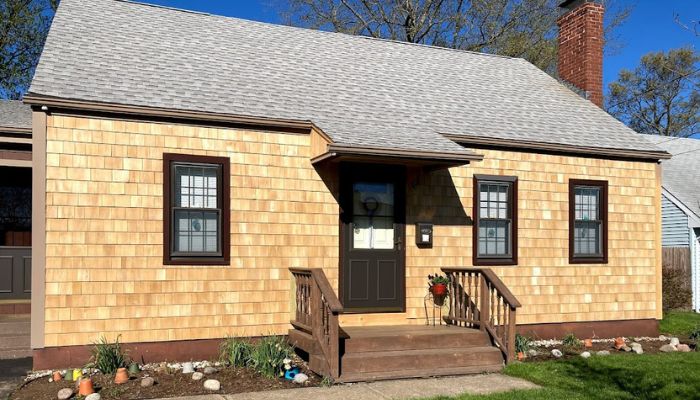
Roof lifespan in Connecticut is affected by more than the material printed on the product label. Local weather and the way the roof system was built can change how quickly it ages.
Snow, Ice, and Ice Dams
Connecticut winters can put extra stress on roofs. Heavy snow adds weight, while ice dams can trap meltwater near the roof edge and allow water to work back beneath roofing materials.
Good attic insulation and ventilation can reduce conditions that contribute to ice dam formation.
Wind, Rain, and Temperature Changes
Strong storms can loosen or damage roofing materials, damage flashing, or expose weak areas. Repeated temperature changes also put roofing materials through cycles of expansion and contraction.
Damage does not always appear immediately after a storm, which is why a roof check is useful after severe weather.
Poor Attic Ventilation
Poor airflow can allow excess heat and moisture to build up in the attic. Over time, that can contribute to moisture problems, damaged decking, mold, and faster roof deterioration.
Ventilation and insulation should work together so the attic stays dry and the roof system is not exposed to unnecessary heat or moisture.
Installation Problems
Even good roofing materials can fail early when roofing materials, underlayment, flashing, or ventilation components are installed incorrectly.
If a relatively young roof develops recurring leaks or widespread problems, installation quality should be part of the inspection.
Delayed Maintenance
Clogged gutters, accumulated debris, overhanging branches, and small unrepaired problems can all increase moisture exposure and wear.
Maintenance will not make an old roof last forever, but it can help prevent avoidable damage and make it easier to catch problems before they spread.
Free Guide for Homeowners
2026 SIDING MATERIAL GUIDE
Learn how smart homeowners balance aesthetics, durability, and budget to choose the perfect exterior shield that withstands New England’s toughest weather.
How Can You Extend Your Roof’s Lifespan?
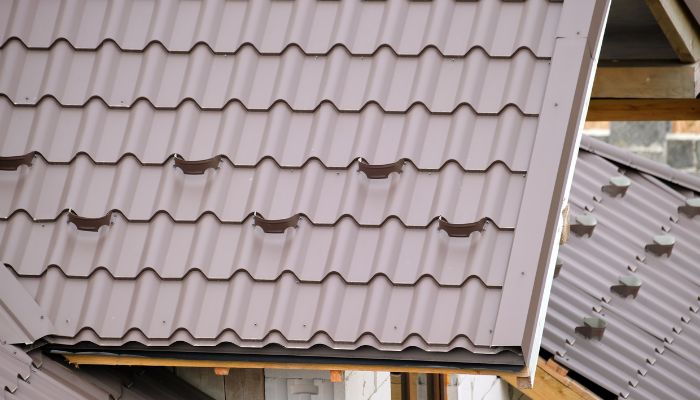
A few consistent habits can help a roof reach more of its expected service life:
- Have the roof inspected at least once a year and after major storms.
- Keep gutters and downspouts clear so water can drain away from the roof.
- Remove leaves and debris that hold moisture against roofing materials.
- Address loose or damaged roofing materials, flashing problems, and small leaks before they spread.
- Keep attic ventilation and insulation in good condition.
- Trim branches that scrape the roof or could fall during storms.
The goal is not simply to delay roof replacement. It is to avoid preventable damage and know the condition of the roof before a small problem becomes a larger one.
When Is the Best Time of Year to Replace a Roof in Connecticut?
Spring through fall generally provides more favorable conditions for roof replacement in Connecticut. Milder temperatures and fewer winter-weather interruptions can make scheduling and installation easier.
However, a roof with active leaks, structural concerns, or widespread storm damage should not be left failing while you wait for a preferred season.
A roofing contractor can assess whether the work should happen promptly or whether the roof can safely be monitored and scheduled later.
What Should You Do if You Think Your Roof Is Near the End of Its Life?
Start with three steps:
- Check the roof’s age. Review home improvement records, receipts, warranty paperwork, prior owner records, or local permit information if available.
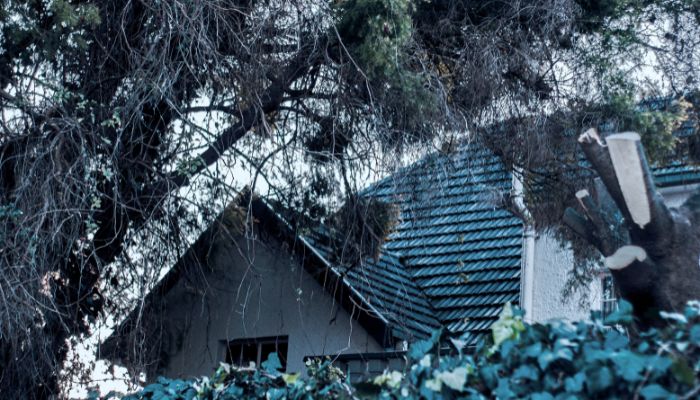
- Look for visible warning signs. From the ground and inside the attic, check for damaged or missing roofing materials, water stains, daylight, sagging, or obvious storm damage. Avoid climbing onto the roof yourself.
- Schedule a professional roof inspection. An inspection can help separate a localized repair from widespread aging or structural damage.
K.P. LaMarco Roofing & Siding provides roofing inspections, repairs, and replacements for Connecticut homeowners.
If you are seeing warning signs or your roof is approaching the expected lifespan for its material, request a free roof inspection to find out what condition it is in before deciding on the next step.
Frequently Asked Questions About Roof Replacement and Roof Lifespan in Connecticut
There is no single replacement schedule for every roof. Depending on the material, a roof may last anywhere from about 20 years to 100 years or more.
Replacement should be based on the expected lifespan of the roofing material together with visible wear, leaks, storm history, repair history, and the condition of the roof deck.
Yes. A 20-year-old roof can still be repaired if the damage is isolated and the rest of the roofing system remains in good condition.
Twenty years may be near the later stages of life for some asphalt roofs, while metal, slate, and other longer-lasting materials may still have decades of service life remaining. The roofing material, condition, extent of damage, and repair history matter more than age alone.
Start with home improvement receipts, warranty documents, inspection reports, or records from the previous owner. You can also check whether your local building department has permit records.
If documentation is unavailable, a roofing professional can often estimate age from the material and its condition.
Not necessarily. Small amounts of surface growth do not automatically mean a roof needs replacement.
Widespread moss that traps moisture, damages roofing materials, or appears alongside other signs of deterioration deserves closer inspection.
Roofing work can be completed during winter when weather and material conditions allow it. Spring through fall is generally easier for scheduling, but urgent leaks, storm damage, or structural problems may need attention sooner.
Most K.P. LaMarco residential roof installations in Connecticut take about one to three days, depending on roof size, material, complexity, and weather conditions.
Know When Your Connecticut Roof Is Ready for Replacement
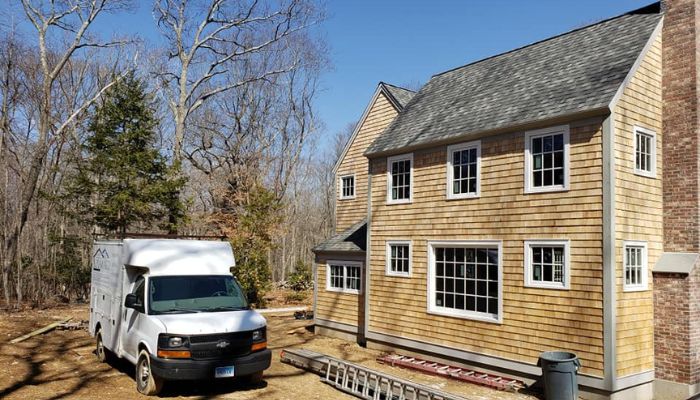
Knowing when to replace a roof is less about reaching one exact age and more about putting age, material, damage, and repair history together.
For Connecticut homeowners, those factors matter even more because snow, ice, wind, and moisture can add wear over time.
If an older roof has widespread material deterioration, recurring leaks, sagging, or repeated storm-related problems, it may be time to plan a replacement.
If the damage is small and the rest of the roof is healthy, a repair may still be the right choice.
K.P. LaMarco Roofing & Siding has more than 20 years of local home improvement experience and works with asphalt, cedar, slate, synthetic slate, and metal roofing.
Request a free roof inspection to get a clear assessment of your roof’s current condition and the right next step for your Connecticut home.