
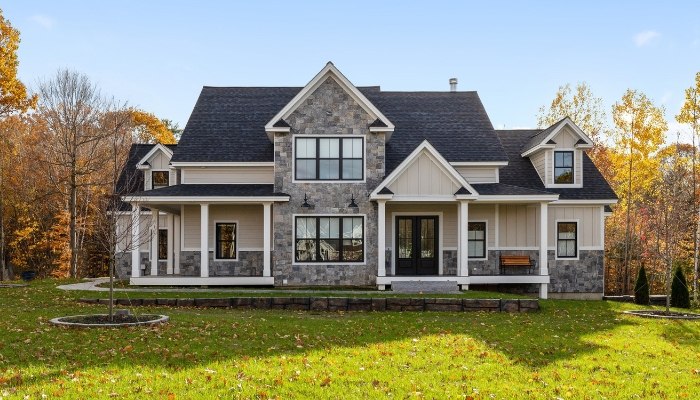
The Best Types of Siding in Connecticut – Ultimate Guide
Homeowners have a big decision to make when choosing between different types of siding. Connecticut has unique challenges. From weighing cost to aesthetics to durability, your home’s siding can tell a lot about you, so you want to make the right first impression.
Vinyl is often the most popular siding choice for Connecticut homes because it is affordable and attractive. However, fiber cement, cedar shakes, engineered composite wood are also good choices when it comes to types of siding. Connecticut building code standards permit these materials because they can withstand New England’s harsh winters and humid summers with ease.
In the article, we’ll export the best types of siding in Connecticut such as:
- Fiber Cement Composite Siding (Hardie Plank)
- Cedar Shakes
- Composite Siding
- Vinyl Siding
- Stone Veneer Siding
The guide below will share more about the best types of siding for Connecticut homes and review the pros and cons of each type to help you make your decision.
Climate & Code Factors in Connecticut
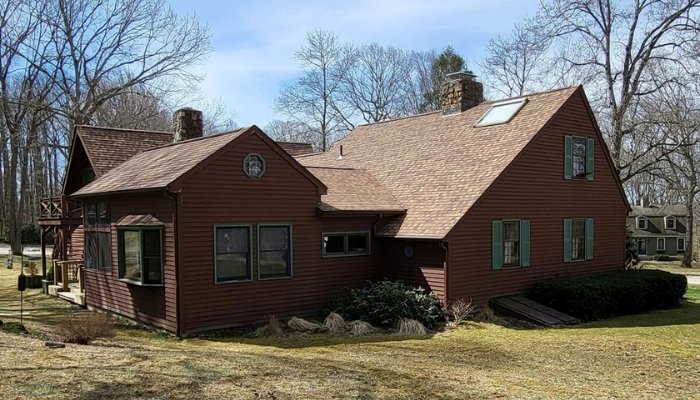
As you choose between types of siding, Connecticut has special needs you need to consider, specifically the impact the weather can have on your investment.
- Nor’easters can bring heavy snow, often causing power outages that can last several days.
- Freeze-thaw cycles can cause cracking, warping, and other damage to materials that aren’t properly treated or graded for extreme temperatures.
- Coastal salt can corrode materials over time, causing costly repairs and replacements.
- High humidity can cause siding to rot, mold, and warp.
So, when you’re picking between home siding options, you want to choose one that can withstand all that Connecticut’s weather can throw its way.
The Connecticut state building code has measures in place to protect your home from avoidable weather damage.
- Flashings should be installed to manage water runoff and protect your siding. They should be made of corrosion-resistant materials and be at least 0.019 inches thick.
- Vapor Retarders can help manage moisture and condensation, especially within walls. There are different requirements depending on the climate zone and type of insulation being used, and they can be installed on internal and external walls.
Your contractor can help provide more guidance on which Connecticut building codes apply and ensure your construction is up to code throughout the process.
Material Snapshot
As you explore different types of siding, Connecticut has a different vibe than many other states, so let’s compare the various materials available. Keep in mind that costs and availability will vary by home size and architecture. You may even be able to use a mixture of various home siding options to meet your aesthetic vision.
Fiber-Cement (James Hardie Plank)
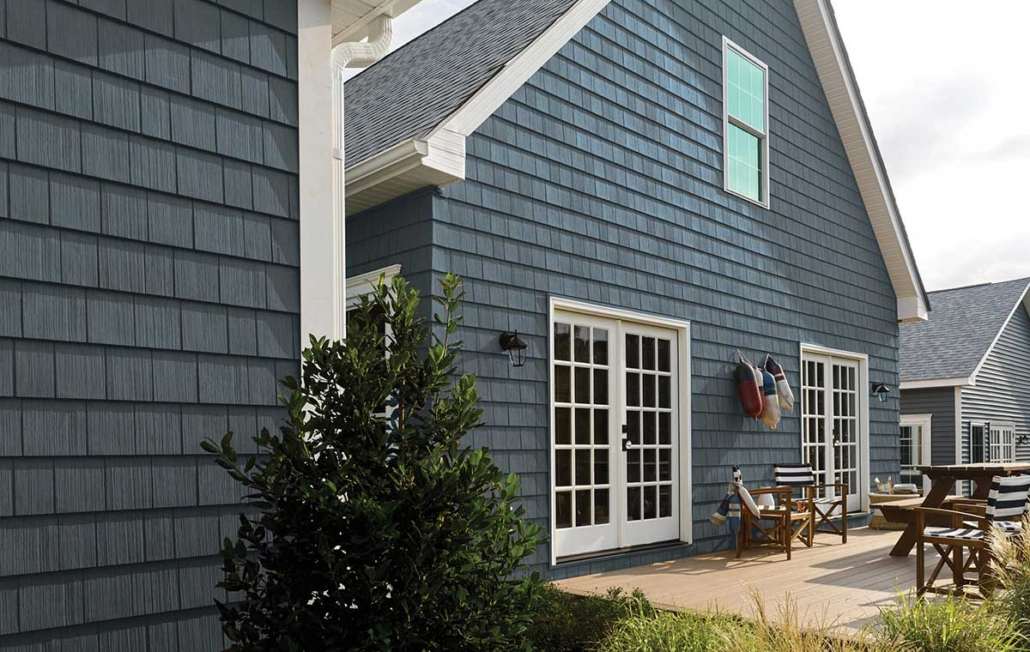
Fiber cement siding, or Hardie Plank siding, is extremely durable. Not only is it fire-resistant, but it is also water-resistant. It can stand up against New England’s tough weather with ease, resisting strong winds, rain, and even insects.
Fiber cement siding is attractive and can be customized to meet your needs, including wood-like textures, stucco, and cedar. It has a heavier installation, so you need to make sure your home can withstand its weight.
It can be more expensive than other types of siding. Connecticut homeowners can expect to pay $5.43–$6.48 per square foot, and homes with Fiber-cement siding often have an increased resale value.
Cedar Shakes
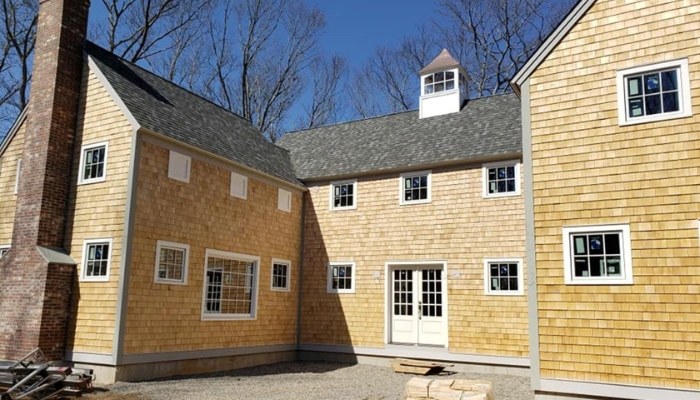
If you’re looking for that classic New England charm, then you may want to invest in cedar shake siding. Cedar siding helps enhance your home’s natural beauty. Sourced from actual trees, cedar siding is a renewable resource that can give your home a one-of-a-kind look, especially when you pair it with cedar shingles and shakes for your roof.
At $6.14–$7.24 per square foot for wood clapboard, cedar siding is more expensive than vinyl and fiber. It also requires staining and finishing to keep it looking fresh. While it is durable, insects may be attracted to the siding and eat through it over time.
Still, if you want a sustainable solution for your home, it may be worth investing in cedar siding.
Composite Siding
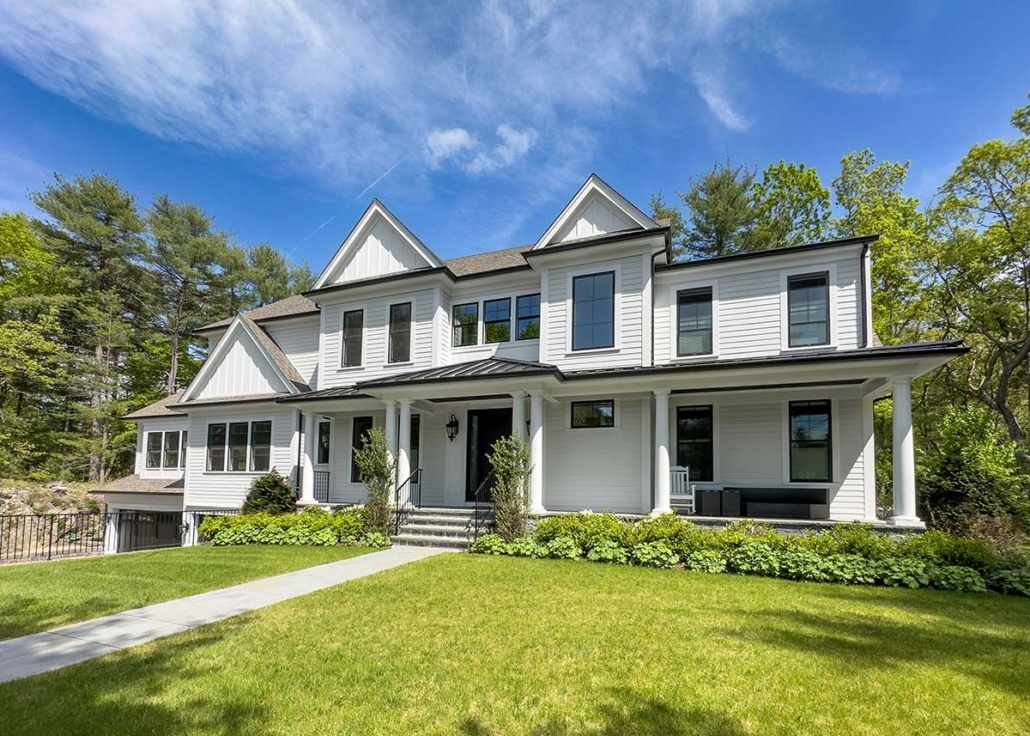
Composite siding or engineered wood can give you the look of natural wood with all the benefits of man-made materials. It’s impact-resistant and easier to paint than other types of siding. Connecticut homes with composite siding will resist cracking, rotting, and fading over time.
As long as the composite siding is sealed properly, it should remain vibrant and intact for decades without damage, which is a similar lifespan to that of roof shingles. The cost varies based on the type of material, how big the home is, and more, but you can expect it to cost between vinyl and fiber-cement to install.
Everlast Composite Siding is a cutting-edge, maintenance-free siding solution that combines the beauty of traditional wood with the durability of modern materials.
Crafted from advanced polymer technology, Everlast siding is highly resistant to fading, cracking, and warping, ensuring it maintains its appearance for years without the need for painting or frequent upkeep. It provides excellent insulation, contributing to energy efficiency by keeping your home comfortable year-round.
Available in a wide range of colors and textures, Everlast Composite Siding delivers a stunning, long-lasting aesthetic, while also offering superior protection against the elements, making it the perfect choice for homeowners looking for a low-maintenance, high-performance siding option.
Vinyl
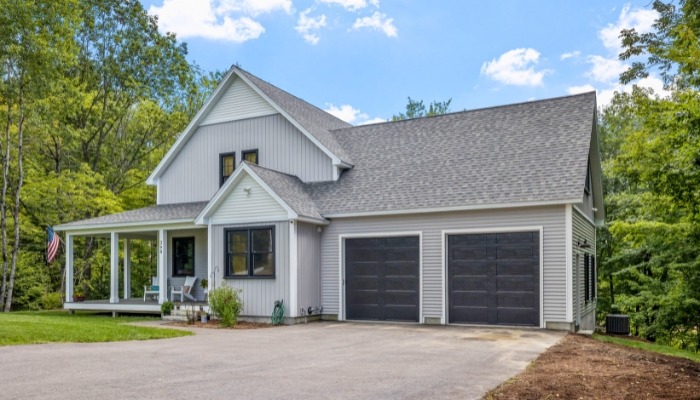
Vinyl is often the most popular type of siding. Connecticut homeowners like it because it’s affordable without looking cheap. On average, depending on the siding type, material, color, and availability, you’ll pay between $3.93 and $5.56 per square foot.
From bold looks to more traditional vibes, vinyl comes in many different colors. They are fade-resistant, so you don’t have to worry about them becoming duller over time.
While vinyl siding is durable and insect-resistant, it can become brittle in extreme cold. It can also break on impact should it be struck by something suddenly.
Stone Veneer
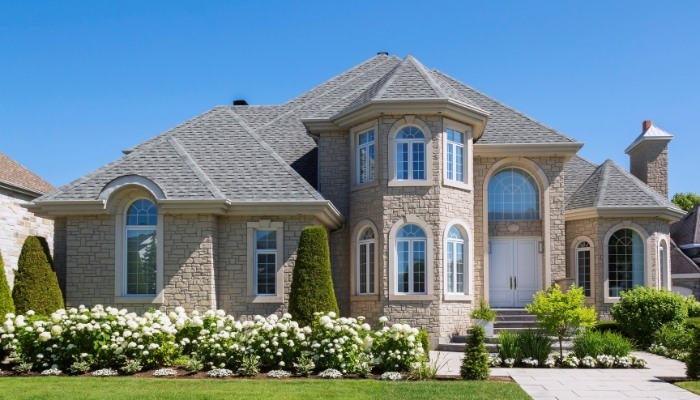
Many homeowners will invest in stone veneer to add a premium feel to their home. It can often be mixed with vinyl and other materials to create a one-of-a-kind home. Stone veneer is extremely durable. It can withstand all weather and environmental conditions, including fire, rain, snow, high winds, and more.
Stone veneer carries a higher upfront cost, so you can expect to pay upwards of $41,000 for your total project, depending on the size of your home and the complexity of your project. However, stone veneer siding will significantly add to your home’s curbside value, and you can get it in natural stone or faux stone based on your budget.
Free Guide for Homeowners
2026 SIDING MATERIAL GUIDE
Learn how smart homeowners balance aesthetics, durability, and budget to choose the perfect exterior shield that withstands New England’s toughest weather.
Style & Color Trends for CT Neighborhoods
The New England Coast often exudes traditional, old-money vibes, and Connecticut is no exception. Traditionally, the types of siding popular in Connecticut feature a classic elegance.
- Colors: Many Connecticut homes feature light-colored siding, including coastal grays, farmhouse whites, and muted tans. Some homes also have two-tone mixes, but they typically stay within nature-inspired colors when exploring different siding styles.
- Accents: Shingle-style accents can add a historic flair to any home. They can be used in conjunction with other types of siding for homes in Connecticut to help your place stand out without being too gaudy.
- Contrasting elements: Contrasting elements, especially trim, doors, roofs, and windows, can add a pop of color to your house. It also contributes to your home’s curb appeal, helping you balance between traditional and modern styles.
Many neighborhoods may have requirements about what colors and design features you can use, so be sure to check the bylaws before you make any cosmetic changes to your home.
Energy Efficiency & Insulation
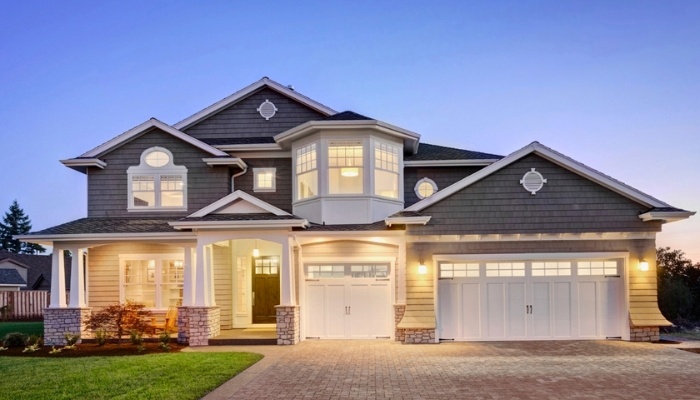
Connecticut can get extremely cold in the winter, so you want to do what you can to keep the heat inside your home. Tight siding layers can even cut your heating bills during cold snaps, working in tandem with your insulation to ensure you’re not heating outside unintentionally.
Compare the R-value for the different types of house siding in Connecticut. The R-value measures how heat-resistant siding can be. The higher the value, the better the siding’s performance.
- Insulated Vinyl Panels are typically more energy efficient than other siding types. Insulated vinyl panels are often thicker, providing more insulation. As a result, they can reduce the amount of heat and energy you lose from your home. You’ll see an even bigger difference in your energy bills if your roof is properly insulated.
- Fiber-cement is not energy efficient by nature, carrying very little energy savings for homes. However, you can add sheathing to improve its insulation and increase its R-value.
- Wood sits as a happy medium between insulated vinyl and fiber-cement. It can have an R-value of up to 1.25, allowing homes to reap some efficiency benefits.
If your home is not properly insulated – including using the right type of siding – you will face high energy bills all year long.
Maintenance Requirements
As you explore types of siding, Connecticut homes will have different maintenance requirements.
- Vinyl: Vinyl siding is low maintenance, but it should be washed every year to help keep it looking fresh. Use a regular hose and mild detergent where needed. Do not use a strong power washer, as it could cause panels to crack from the pressure.
- Fiber-cement: Much like vinyl, you should regularly wash your fiber-cement siding. Additionally, you will need to repaint it every 10-15 years.
- Cedar shake siding: Cedar shake siding is made of all-natural materials, so you must regularly seal and treat it to prevent damage. Expect to seal and stain it every three to five years as needed to maintain its natural beauty.
- Stone veneer: Stone veneer may require the least amount of maintenance, but you should regularly inspect it to see if there are any weaknesses or damage. If there are, you can seal or caulk them to maintain the structure’s integrity and prevent further damage.
Homeowners can conduct regular maintenance themselves if they secure the right tools, including a microfiber brush, mild detergent, buckets, and hoses. However, you may not be able to clean as well as a professional, especially if you can’t reach multiple stories.
Installation & Permitting Checklist
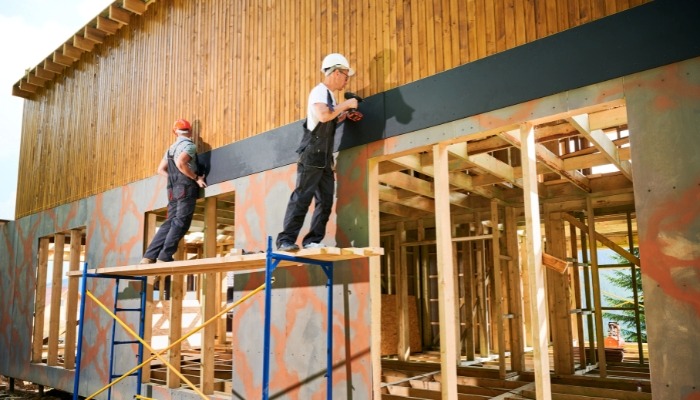
Just as not all types of siding for homes in Connecticut are the same, not all contractors are equal. Before selecting a professional to work with, make sure to check the following.
- License and references: All Connecticut businesses are required to be licensed by the state to operate. Additionally, check for reviews, local references, and social media to get a sense of what it’s really like to work with a company.
- Verify permits: Your town and state may require you to pull permits for re-siding. Additionally, make sure that you’re adhering to waste disposal rules to avoid fines.
- Understand code requirements: The Connecticut building code requires flashing, house-wrap, and moisture barriers to help protect against the environment. Failure to adhere to code can cause your siding and home to quickly degrade, forcing you to replace it sooner than expected.
Your contractor can guide you through the process so you understand who is responsible for pulling what permits to ensure you are in compliance with local and state regulations.
Choosing the Right Siding: Decision Matrix
If you’re still on the fence about choosing the right type of siding in Connecticut, consider the following factors.
- Budget: Assess what your budget is for the project. Some homeowners’ insurance policies will cover replacing siding if damage was sustained as a result of a bad storm.
- Neighborhood aesthetics and HOA rules: Look at the homes around you. Are there similarities? Or are there different siding styles? What about roofs? There may be rules in place that require your siding to be a certain color, style, and more. If your siding does not comply, you will likely be fined every day until it is fixed.
- Lifespan: On average, vinyl and wood siding can last between 20 and 40 years, while fiber cement siding can last up to 50 years. How long are you planning to live in the home? Do you want to replace the siding more than once?
- Resale value: Different types of house siding have varying resale values. Brick and stone veneer can have higher resale values than vinyl, but they often come with a higher upfront cost.
- Maintenance tolerance: If you don’t want to care for your siding, you may want to invest in lower-maintenance types of siding. Connecticut temperatures can be extreme, so options like fiber-cement siding or stone veneer may have fewer care requirements.
You will likely have to compromise on various elements during the decision-making process. For example, you may pay more for stone veneer siding, but it may require you to do less work to upkeep it.
Thinking About a New Roof or Repair?
Get a Free Roofing Quote
K.P. LaMarco Construction offers expert roofing solutions, from repairs to full replacements, using high-quality materials and skilled craftsmanship to protect and enhance your home.
Conclusion
Choosing between types of siding in Connecticut can be challenging. To maintain the traditional New England coastal vibe, many homeowners opt for light-colored siding. It is classy and timeless, and you can use various materials to achieve the look, including vinyl, cedar shake, fiber-cement, engineered wood, and stone veneer.
Our team at K.P. LaMarco can help you get started, providing a no-pressure free estimate. Whether you’re just exploring the idea of re-siding your home or you’re ready to begin the project, our team of qualified professionals is here to help every step of the way.
Contact us now to get started!