
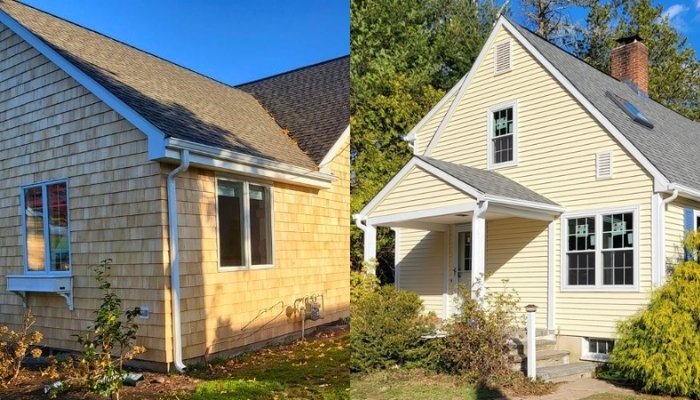
Cedar vs Vinyl Siding – Which Is Right for You?
Are you considering what siding to go for now that the old one is showing clear signs that translate to “Goodbye”? In a cedar vs vinyl siding tug, which side should you lean on? This guide will help you with that.
Well, a simple siding decision can do wonders for your house. Starting from the exterior appearance, to the overall structural efficiency, the type of siding you choose will define your house in and out.
Cedar vs vinyl siding, which is right for your house?
Cedar is a natural wood siding that is popular for its timeless aesthetic appeal and authentic grain, but it requires regular maintenance and comes with higher long-term maintenance costs.
Vinyl siding is a synthetic material that offers you minimal maintenance, lower upfront costs, and strong durability. However, it may not match the depth and character of natural cedar.
Now, choosing between cedar siding and vinyl siding for Connecticut depends a certain factors among which are few more important ones like these:
- Your budget
- Maintenance tolerance
- Design goals
- Climate conditions
We’ll break down the pros and cons of each material, and why each one could be a good fit for your upcoming house project. Here’s what’s included:
- A Quick Overview
- A Quick Pro & Cons
- Aesthetic Appeal and Style Options
- Durability and Lifespan in Real Weather
- Maintenance and Upkeep
- Cost Comparison
- Energy Savings and Insulation Options
- Eco-Friendly and Sustainability Factors
- Fire, Safety, and Code Considerations
- Installation Quality Matters
- Choosing the Right Siding for Your Home
- Questions to Ask Your Siding Contractor
- Conclusion
A Quick Overview
At K.P. LaMarco & Associates, we’ve helped countless New England homeowners, like yourself, weigh cedar siding vs vinyl in real-world conditions. For instance, we considered the coastal exposure, freeze/thaw cycles, nor’easters, and humid summers, among other factors, with the homeowners to help them decide.
More importantly, while both siding options can perform well when installed properly, they serve very different types of homeowners. Let’s break it down clearly so you can make the right long-term decision.
Free Guide for Homeowners
2026 SIDING MATERIAL GUIDE
Learn how smart homeowners balance aesthetics, durability, and budget to choose the perfect exterior shield that withstands New England’s toughest weather.
Cedar vs Vinyl Siding – A Quick Pro & Cons
When homeowners ask us about cedar vs vinyl siding, they usually want a quick, straightforward comparison before diving into the details. So let’s start there.
Quick Pro and Cons
| Category | Cedar | Vinyl |
| Pros | Beautiful, natural wood grain High-end, authentic look Excellent for traditional New England architecture Eco-friendly when responsibly sourced | Minimal maintenance Lower material and installation cost Resistant to rot and insects Wide range of colors and profiles |
| Cons | Requires regular maintenance (staining, sealing, or painting) Higher installation and maintenance costs Vulnerable to moisture, insects, and high flammability | Synthetic material appearance (though improving) Can warp in extreme heat May crack under strong impact in cold conditions |
Best for Busy Homeowners vs Hands-On Homeowners
If you want to install siding and largely forget about it for decades, vinyl siding is usually the better fit. It doesn’t require repainting, resealing, or routine scraping. So, a no-brainer if you’re going to have a hectic schedule.
If you appreciate craftsmanship and don’t mind regular maintenance in exchange for authenticity, cedar siding vs vinyl may tilt in cedar’s favor. Many homeowners with a cedar shake house actually enjoy preserving that natural cedar character.
All the while, please remember that your personality (not just your budget) will play a major role here.
Aesthetic Appeal and Style Options
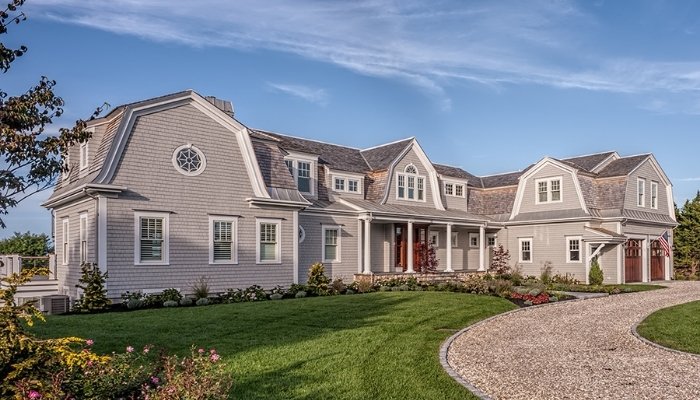
One thing to note is that there’s no “perfection”, unless you’re considering all the factors with a professional by your side. With that said, the next most important factor to consider is “aesthetics”. And this is where cedar and vinyl create very different impressions.
Cedar’s Natural Wood Look
Nothing truly replicates the warmth of natural wood. Real cedar shake siding offers variation in grain, subtle imperfections, and a depth of tone that evolves over time. Houses with siding and shakes made of cedar often feel established and architectural rather than manufactured.
Cedar can be stained to highlight its natural cedar hues or painted for a classic coastal look. Over time, untreated cedar develops a soft silver-gray patina that many New England homeowners intentionally seek.
Cedar Shake Siding vs Clapboard
Cedar is available in both shakes and clapboard profiles. Cedar shake siding creates texture and shadow lines, giving a cedar shake house that classic New England cottage feel. Clapboard cedar, by contrast, provides a smoother, more linear appearance often seen on colonial-style homes.
Both profiles deliver character, but shakes typically cost more due to labor intensity.
Vinyl Cedar Shakes and Cedar-Look Profiles
Modern vinyl has come a long way. Vinyl cedar shakes and cedar shingle vinyl siding are designed to mimic real wood grain, and today’s wood-looking vinyl siding can be surprisingly convincing from the curb.
Cedar vinyl siding options often come in panelized sections that speed up installation. While close inspection may reveal uniform patterns, the visual gap has narrowed considerably over the last decade.
You can see the aesthetic appeal in our recent work.
Matching Trim, Corners, and Accents for a Cohesive Exterior
Cedar allows fully custom trim detailing, but vinyl systems now include coordinated corners, soffits, and fascia for cohesive design. When choosing the right siding, think about how trim, window casings, and accent features will integrate. A cohesive exterior matters just as much as the primary type of siding.
Durability and Lifespan in Real Weather
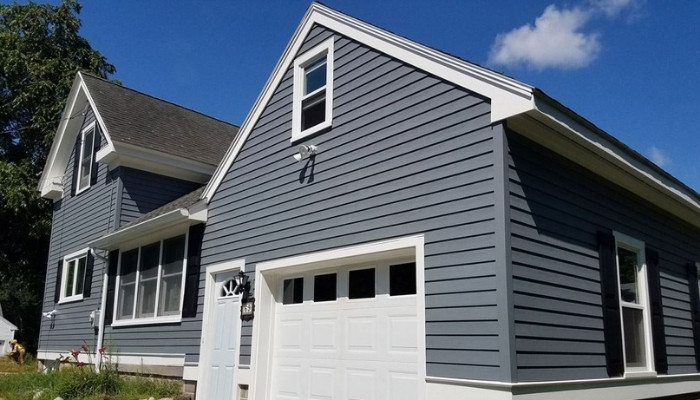
In New England, siding materials must handle salt air, driving rain, snow loads, and freeze/thaw cycles. Therefore, living here will require a more practical option. Let’s take a look at how cedar vs vinyl fares.
How Long Cedar Siding Lasts
Installed properly, and maintained likewise, your cedar siding can last 20 to 40 years. However, that lifespan depends heavily on regular maintenance. Without sealing or staining, moisture infiltration becomes a risk.
Many homeowners, after professional consultation and with long-term goals, go for back-primed and properly ventilated cedar because it performs far better than improperly installed boards.
How Long Vinyl Siding Lasts
Quality vinyl siding typically lasts 25 to 40 years with minimal maintenance. Because it’s a synthetic material, it doesn’t rot or attract insects. However, extreme cold can make vinyl brittle, and extreme heat can cause warping if improperly installed.
Moisture, Rot, Insects, and Warping
Cedar, being natural wood, is susceptible to rot and insects if not protected. Moisture control and ventilation are critical.
Vinyl resists rot entirely but must be installed with expansion allowance. Improper fastening can cause buckling during temperature swings.
Wind, Hail, and Impact Resistance
Both cedar and vinyl can perform well in high winds when properly fastened. Thicker vinyl panels generally resist wind uplift better than older, thinner products. Conversely, cedar can crack under heavy hail, while vinyl may crack in freezing temperatures under sharp impact.
Freeze/Thaw and Coastal Conditions in New England
Coastal conditions add salt exposure and high humidity. Cedar requires diligent sealing in these areas. At the same time, vinyl siding on the other hand performs well in salty air but needs proper flashing to prevent water intrusion behind panels.
Maintenance and Upkeep
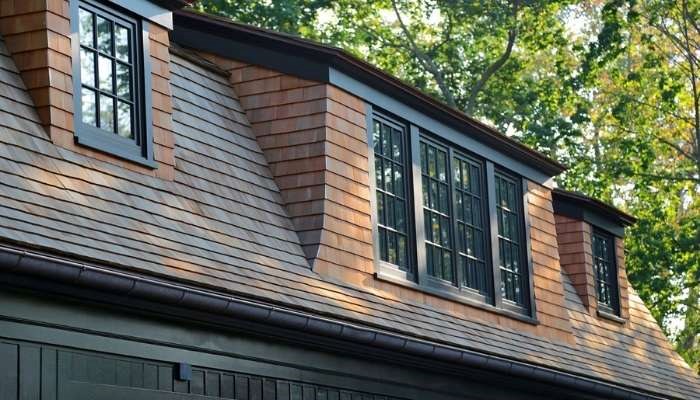
Here’s where cedar siding vs vinyl will become a lifestyle decision for you and your family:
Regular Maintenance Needs for Cedar
Cedar requires staining or painting every 3–7 years, depending on exposure. So, power washing must be done carefully. Failing to maintain cedar increases long-term maintenance costs significantly.
Minimal Maintenance Expectations for Vinyl
Vinyl generally requires occasional washing with mild detergent. There’s no scraping, sanding, or repainting. That simplicity is why many homeowners prioritize vinyl.
Cleaning, Mold/Mildew, and Repair Basics
Both siding options can develop surface mold in shaded, humid conditions. Cleaning resolves most issues. Individual cedar boards can be replaced easily, while damaged vinyl panels must be unlocked and swapped.
Maintenance Costs Over Time
Over 30 years, cedar’s maintenance costs often exceed its initial installation cost. Vinyl’s maintenance expenses are minimal, making it more predictable long term.
Free Guide for Homeowners
2026 SIDING MATERIAL GUIDE
Learn how smart homeowners balance aesthetics, durability, and budget to choose the perfect exterior shield that withstands New England’s toughest weather.
Cost Comparison
Now, the budgeting factor, it is often the most deciding factor for homeowners here in New England. However, as experienced and skilled professionals would suggest, you should look beyond the initial estimate.
Material Cost Ranges
Cedar siding typically costs significantly more per square foot than vinyl. Moreover, premium grades of natural cedar further increase pricing. Therefore, vinyl remains one of the most affordable siding options available.
Installation and Labor Factors
Cedar installation is labor-intensive, especially cedar shake siding. Vinyl installs faster due to panel systems, reducing labor expenses.
Long-Term Costs and Value
Cedar may require repainting multiple times over its lifespan. Vinyl avoids these recurring costs. However, cedar’s aesthetic appeal may justify the expense for some homeowners.
ROI and Resale Impact
Both cedar and vinyl can improve resale value when installed professionally. In certain historic neighborhoods, cedar may align better with architectural expectations.
Energy Savings and Insulation Options
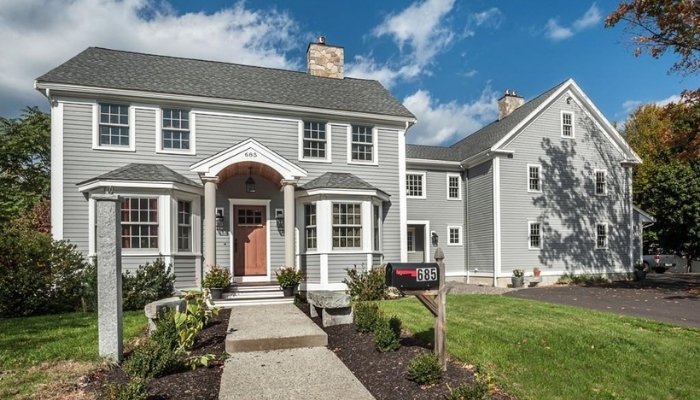
Siding plays an important supporting role in how well your exterior wall system controls heat, air, and moisture. While the real insulating power comes from what’s behind the siding, like housewrap, continuous insulation, and air sealing, the type of siding you choose can influence overall performance, comfort, and long-term energy efficiency.
How Siding Affects Efficiency
The type of siding influences air infiltration more than R-value. With proper installation and maintenance, you can support extended performance.
Insulated Vinyl Siding Benefits
Insulated vinyl siding includes rigid foam backing that improves thermal performance and reduces noise. It can enhance energy savings when paired with proper air sealing.
Air Sealing, Housewrap, and Continuous Insulation
Regardless of siding materials, housewrap, flashing, and continuous insulation matter most. A well-built drainage plane protects your home’s exterior from moisture damage.
Eco-Friendly and Sustainability Factors

Environmental considerations are increasingly part of choosing the right siding. Here are a few important factors that professionals discuss with homeowners:
Natural Cedar and Sourcing (FSC Considerations)
Natural cedar is renewable and biodegradable. When sourced responsibly, it can be eco-friendly. Look for FSC-certified products to ensure sustainable forestry practices.
Vinyl’s Environmental Tradeoffs and Recyclability
Vinyl production involves fossil fuels, but it requires fewer repaint cycles and less maintenance over time. Some vinyl products are recyclable, though availability varies.
Longevity, Waste, and Lifecycle Impact
Longer-lasting products reduce waste. Both cedar and vinyl can achieve 30+ years when installed correctly, lowering lifecycle environmental impact.
Fire, Safety, and Code Considerations
Moving on, safety is often overlooked in the cedar siding vs vinyl discussion. So, make sure you consider these factors and discuss these values with your professional before making the final decision.
Fire Performance Basics (Testing and Ratings)
Building codes reference flame spread ratings. Vinyl typically meets Class A or B ratings when installed over fire-resistant sheathing.
Cedar’s Flammability and Treatment Options
Cedar has high flammability compared to vinyl. However, fire-retardant treatments can improve performance.
Vinyl Heat Response and Installation Considerations
Vinyl can melt or deform under intense heat, even if it doesn’t ignite easily. Proper spacing from grills and heat sources is essential.
Installation Quality Matters
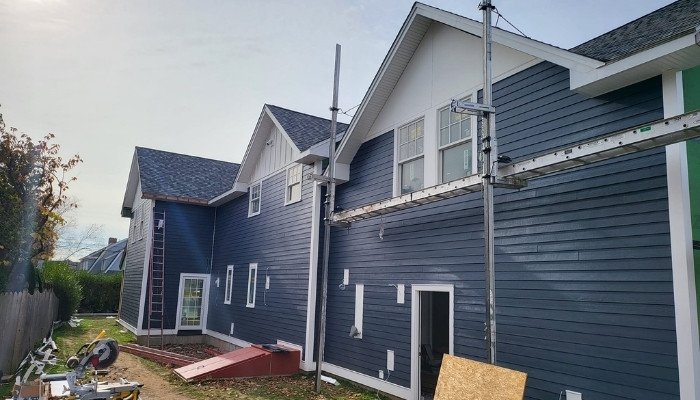
What’s the point of choosing the best siding material if it’s installed incorrectly? Even the highest-quality cedar or vinyl will fail prematurely if flashing, fastening, and moisture control details aren’t handled properly.
Flashing, Drainage Planes, and Rainscreen Details
Proper flashing prevents water intrusion. Rainscreen systems dramatically improve cedar longevity.
Proper Fastening and Expansion Allowance (Vinyl)
Vinyl must “float.” Nails should not be driven tight, allowing expansion and contraction.
Back-Priming and Sealing Practices (Cedar)
Back-priming cedar boards before installation helps prevent moisture absorption and extends lifespan.
Common Installation Mistakes to Avoid
Improper flashing, skipped housewrap, tight vinyl fastening, and unsealed cedar end grains are common failures we correct frequently.
Choosing the Right Siding for Your Home
Now that we’ve covered performance, cost, and maintenance, the decision becomes clearer.
Choose Cedar If…
You love the look of natural wood, don’t mind regular maintenance, and want authentic character for your cedar shake house.
Choose Vinyl If…
You prefer minimal maintenance, predictable long-term costs, and strong durability against rot and insects.
When Cedar Vinyl Siding Alternatives Make Sense
If you want the cedar look without the upkeep, vinyl cedar shakes or cedar shingle vinyl siding can provide that aesthetic with less maintenance.
Questions to Ask Your Siding Contractor
- What underlayment system do you use?
- How do you handle flashing around windows and doors?
- What warranty applies to installation and materials?
- How will this siding perform in coastal New England conditions?
Free Guide for Homeowners
2026 SIDING MATERIAL GUIDE
Learn how smart homeowners balance aesthetics, durability, and budget to choose the perfect exterior shield that withstands New England’s toughest weather.
Conclusion
When comparing cedar vs vinyl siding, the difference ultimately comes down to priorities.
Cedar offers unmatched aesthetic appeal and authentic natural wood beauty, but it requires consistent care and higher long-term maintenance costs. Meanwhile, vinyl provides durability, affordability, and minimal maintenance, making it ideal for busy homeowners who value simplicity.
If you envision a timeless cedar shake house and enjoy hands-on upkeep, cedar may be your ideal type of siding. If you want dependable protection with less effort and predictable long-term costs, vinyl siding on the other hand is likely the better fit.
The most important factors also include proper installation and maintenance. A well-installed system protects your home’s exterior for decades, while poor workmanship can shorten the lifespan of even premium materials.
If you’re weighing cedar siding vs vinyl and want guidance tailored to your home, climate exposure, and budget, our team at K.P. LaMarco & Associates is here to help. Visit our contact page to schedule a consultation and get expert insight into choosing the right siding for your home.